







What's Happening?
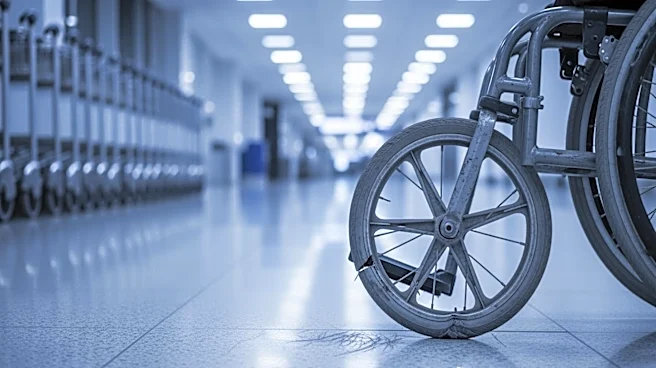
Jon Krieger, a passenger with cerebral palsy, experienced significant inconvenience when his custom power wheelchair was damaged by American Airlines staff during a flight from Detroit to Phoenix. The wheelchair was forced through a cargo door that was too
small, resulting in damage that left it non-functional. Krieger and his partner, Amie Frei, spent nearly 12 hours at the Phoenix airport arranging for temporary repairs. Although a technician managed to make the chair usable, it was not fully functional. On their return trip, the airline acknowledged the chair would not fit and rerouted the couple on different aircraft. American Airlines has since apologized and provided a $400 voucher as a goodwill gesture.
Why It's Important?
This incident highlights ongoing challenges faced by passengers with disabilities when traveling by air. The mishandling of mobility devices can severely impact the travel experience and independence of individuals who rely on such equipment. Despite improvements in the handling of wheelchairs by U.S. airlines, as reported by the Department of Transportation, incidents like this underscore the need for better training and protocols to prevent damage to essential mobility aids. The situation also raises broader questions about the airline industry's commitment to accessibility and the dignity of passengers with disabilities.
What's Next?
American Airlines and other carriers may face increased scrutiny regarding their handling of mobility devices. This could lead to calls for stricter regulations and improved training for airline staff to ensure the safe transport of such equipment. Advocacy groups for disabled travelers might push for policy changes to enhance accountability and prevent similar incidents. Additionally, airlines may need to invest in better infrastructure and processes to accommodate passengers with special needs more effectively.
Beyond the Headlines
The incident with Krieger's wheelchair reflects a broader societal issue of accessibility and inclusion for people with disabilities. It highlights the importance of treating mobility devices with the same care and respect as passengers themselves, as these devices are integral to their users' independence and quality of life. The situation also points to potential legal and ethical considerations for airlines in ensuring compliance with disability rights and providing equitable service to all passengers.