

What's Happening?
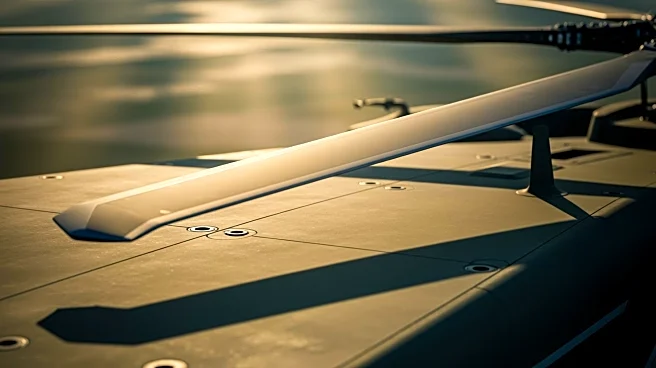
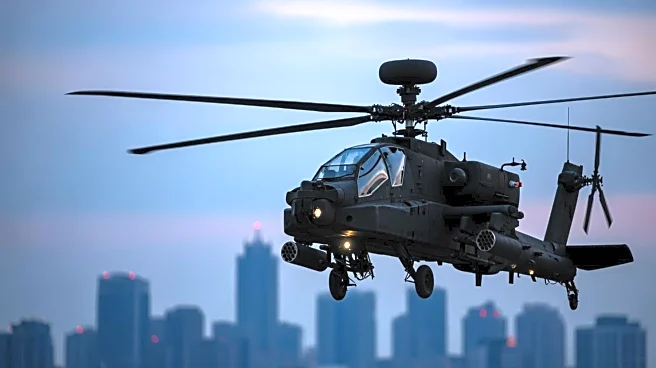
The U.S. Army has suspended the crews of two AH-64 Apache helicopters following an incident where they hovered near the home of entertainer Kid Rock in Nashville, Tennessee. The suspension is part of an ongoing investigation into the flight, which took
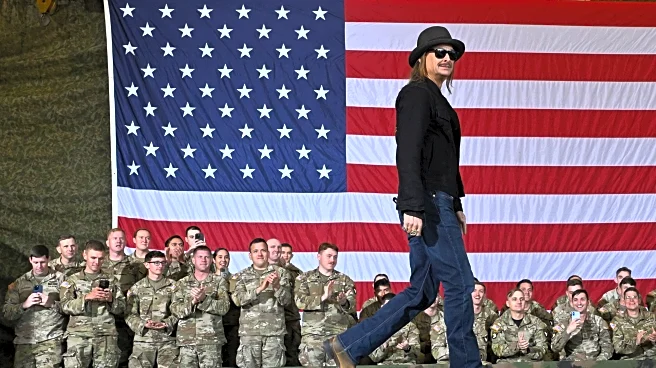
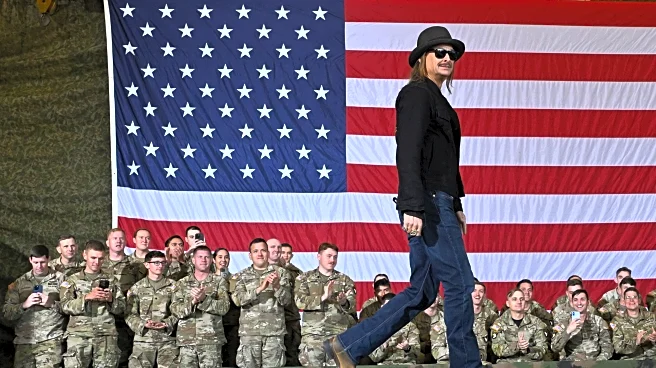
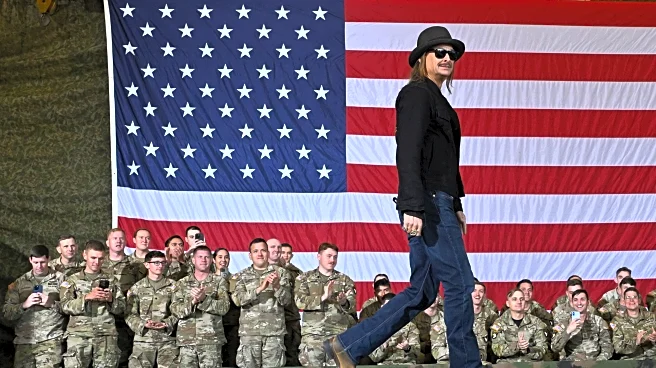
place on March 28, 2026. The helicopters, from the 101st Combat Aviation Brigade at Fort Campbell, were on a training mission when they flew close to Kid Rock's property. The Army is examining whether the flight adhered to FAA regulations, aviation safety protocols, and necessary approval requirements. Kid Rock, known for his support of President Trump, expressed that it is not unusual for helicopters from Fort Campbell to fly near his home, and he welcomed their presence. He shared videos on social media showing the helicopters hovering near his swimming pool, where he was seen clapping and saluting.
Why It's Important?
This incident highlights the scrutiny military operations can face when they intersect with civilian life, especially involving high-profile individuals. The Army's decision to suspend the helicopter crews underscores the importance of adhering to strict aviation protocols and regulations. The investigation could have implications for military training operations near populated areas and the relationship between military personnel and civilians. Additionally, the incident has drawn public and media attention, partly due to Kid Rock's celebrity status and his vocal support for President Trump, which may influence public perception of military conduct and oversight.
What's Next?
The Army's investigation will determine if any regulations were violated and what consequences, if any, the helicopter crews might face. Depending on the findings, there could be changes in how military training flights are conducted near civilian areas. The outcome may also affect the Army's public relations strategy, especially in managing interactions between military personnel and civilians. Stakeholders, including military officials and local government representatives, may need to address public concerns about safety and regulatory compliance.