





What's Happening?
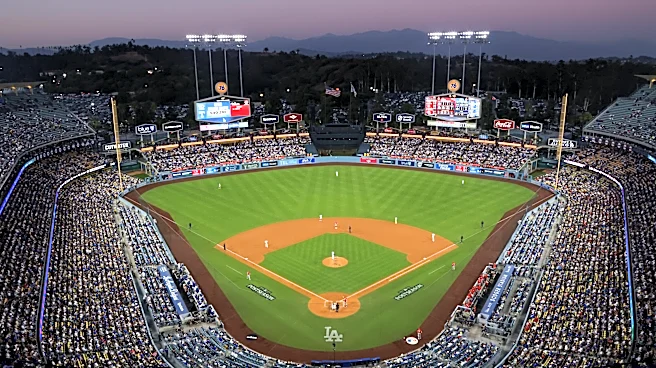
A new digital archive titled 'Chavez Ravine: An Unfinished Story' has been launched to document the history of communities displaced to build Dodger Stadium in Los Angeles. The archive, created by Loyola Marymount University professor Priscilla Leiva
and former Palo Verde resident Carol Jacques, features over 200 photos and oral histories from descendants of the displaced families. The project aims to preserve the cultural heritage of the communities of Palo Verde, La Loma, and Bishop, which were demolished in the 1950s to make way for the stadium. The archive launch coincided with the annual Los Desterrados reunion, where descendants gathered to remember their heritage.
Why It's Important?
The archive serves as a crucial reminder of the cultural and historical impact of urban development on marginalized communities. By preserving the stories and images of those displaced, the project highlights issues of racial and economic injustice that continue to resonate today. The Dodgers, now a major sports franchise, benefit from the land acquired through these displacements, raising questions about corporate responsibility and historical acknowledgment. The archive provides a platform for descendants to share their narratives and maintain their cultural identity, fostering a broader understanding of the social dynamics that shaped Los Angeles.
Beyond the Headlines
The project also raises ethical questions about the preservation of cultural heritage and the responsibilities of institutions like the Dodgers in acknowledging past injustices. While the archive offers a way to keep the history alive, it also sparks debate about reparations and the ongoing impact of historical displacements. The Dodgers' lack of acknowledgment of the displacement adds to the complexity of the narrative, highlighting the need for corporate accountability in addressing historical wrongs.