



What's Happening?
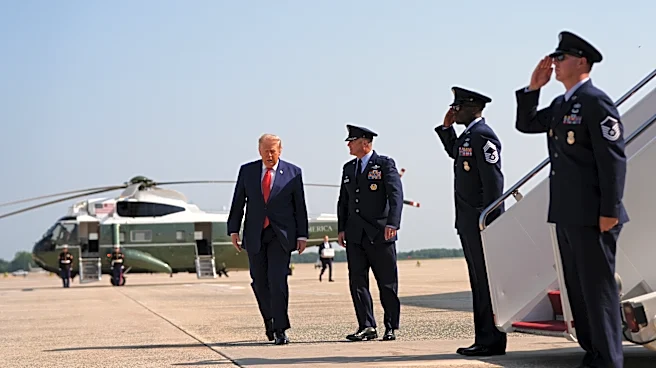
Pentagon officials testified on Capitol Hill amid escalating tensions between the United States and Iran. President Trump has indicated the possibility of further military action against Iran, following recent developments in the region. The testimony
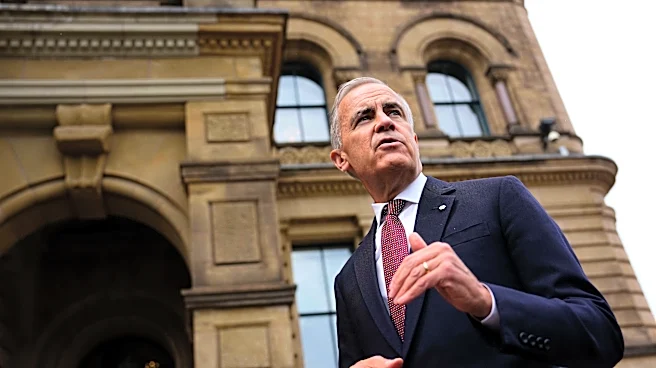
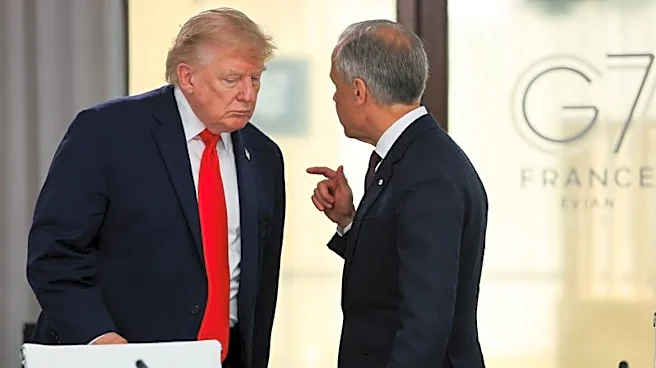
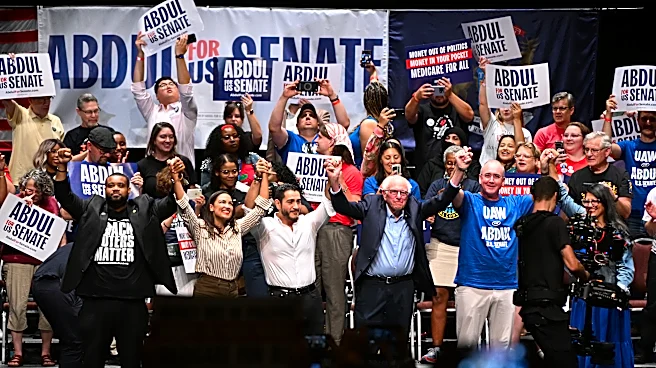
comes as the Trump administration describes the situation as reaching a 'time of ambiguity,' with military strikes escalating. This development is part of a broader geopolitical context involving U.S. tariffs on Canada, which have drawn reactions from Ontario Premier Doug Ford. Additionally, Michigan Senate candidate Abdul El-Sayed appeared on 'Meet the Press NOW' to discuss the upcoming primary elections.
Why It's Important?
The potential for increased military action against Iran could have significant implications for U.S. foreign policy and international relations. Escalating military tensions may impact global oil markets, influence diplomatic relations with allies and adversaries, and affect domestic political dynamics. The situation also highlights the ongoing challenges in U.S.-Canada trade relations, as tariffs continue to be a contentious issue. The testimony of Pentagon officials underscores the gravity of the situation and the need for careful consideration of military strategies and diplomatic efforts.
What's Next?
Future developments may include further military actions or diplomatic negotiations aimed at de-escalating tensions with Iran. The U.S. government may also face pressure from international allies to pursue diplomatic solutions. Domestically, political leaders and candidates may use the situation to shape their foreign policy platforms ahead of upcoming elections. The response from the international community, particularly from countries directly affected by U.S. tariffs and military actions, will be crucial in determining the next steps.