
What's Happening?
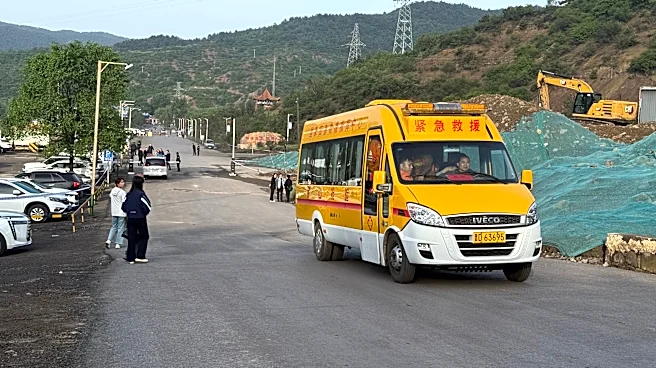
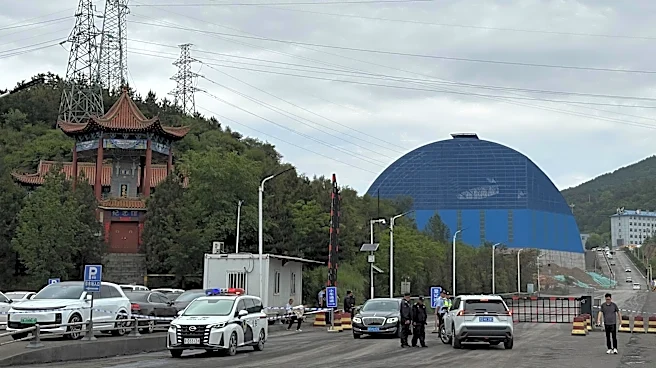
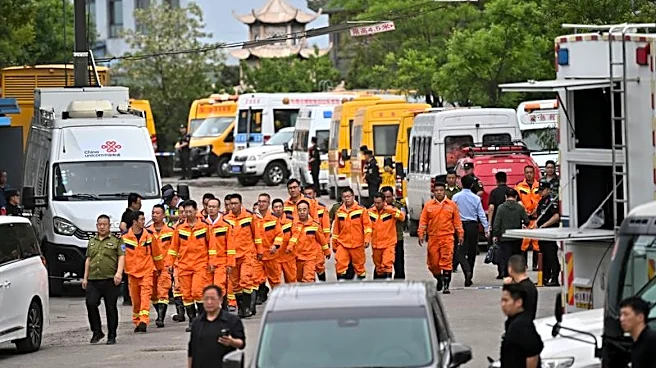
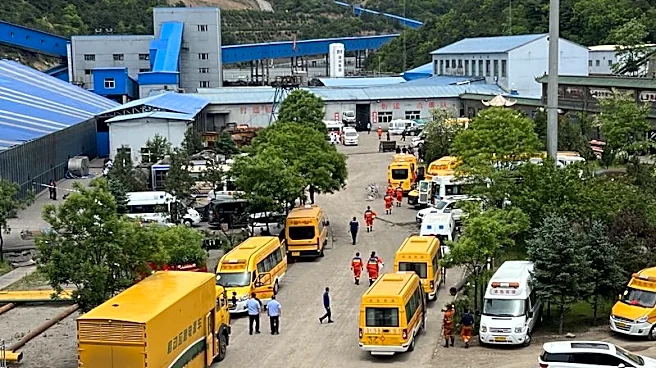
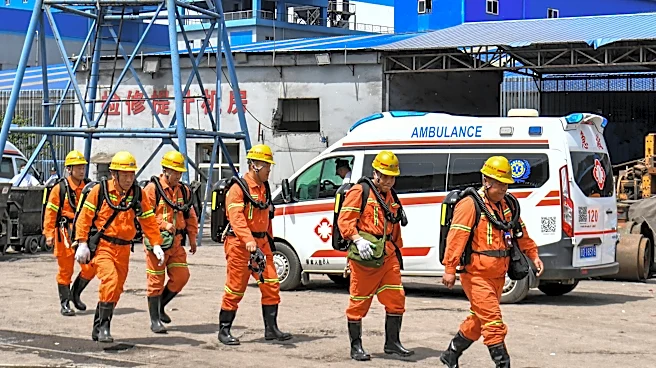
A gas explosion at the Liushenyu coal mine in Shanxi province, northern China, has resulted in the deaths of at least 82 people, marking the country's deadliest mining disaster in over a decade. The explosion occurred
approximately 300 meters underground, affecting nearly 250 workers present at the time. Rescue operations were complicated by inaccurate underground maps and the absence of personal GPS trackers for some workers. Initially, the death toll was reported as 90, but it was later revised to 82. Local officials have accused the mining company of serious legal violations, including inaccurate personnel accounting, which contributed to the initial confusion over casualty numbers. The incident has led to the evacuation of 201 individuals, with 123 requiring hospitalization.
Why It's Important?
This disaster highlights ongoing safety challenges in China's coal mining industry, which remains a critical energy source for the nation. Despite improvements in safety conditions since a similar incident in 2009, which claimed 108 lives, mining accidents continue to occur. The explosion underscores the need for stricter oversight and reform in mining safety practices. The incident has prompted Chinese leader Xi Jinping to send Vice Premier Zhang Guoqing to oversee the emergency response and initiate a comprehensive investigation. The tragedy has sparked discussions about the balance between energy security and safety, as coal still accounts for over half of China's energy consumption.
What's Next?
The Chinese government is expected to conduct a thorough investigation into the explosion, with potential legal actions against those responsible. A crackdown on illegal mining practices and safety monitoring failures is anticipated. The mining company involved has reportedly placed its higher-ups under control measures, suggesting possible detentions. This incident may lead to increased regulatory scrutiny and reforms aimed at improving safety standards in the mining industry. The government’s response could also influence future energy policies, particularly regarding the transition to cleaner energy sources.
Beyond the Headlines
The explosion raises ethical and legal questions about corporate responsibility and government oversight in the mining sector. It also highlights the cultural and economic significance of coal mining in China, particularly in regions like Shanxi, which is a major coal producer. The incident may prompt a reevaluation of the trade-offs between economic growth, energy security, and worker safety. Long-term, this disaster could accelerate China's efforts to diversify its energy sources and reduce reliance on coal, aligning with global trends towards sustainable energy solutions.