



What's Happening?
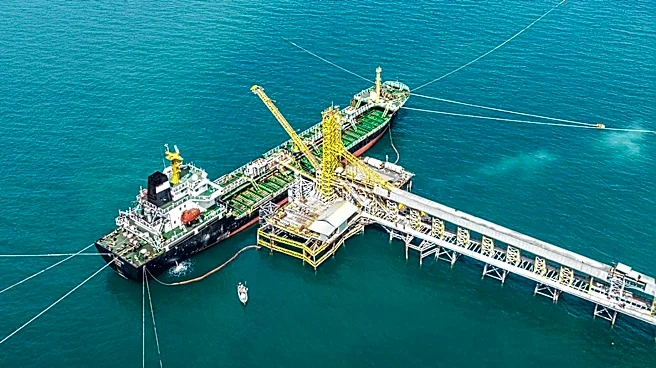
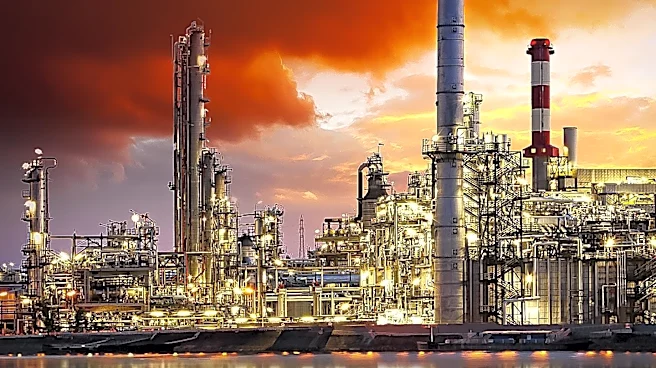
Gulf countries, including the UAE and Iraq, are investing billions in developing alternative oil export routes to reduce reliance on the Strait of Hormuz. This strategic shift is driven by repeated disruptions in oil supplies and the geopolitical vulnerabilities
associated with the strait. New pipeline projects are underway to connect oilfields to ports on the Gulf of Oman, the Red Sea, and the Mediterranean. These efforts aim to secure oil exports and mitigate risks associated with the narrow waterway, which is a critical global oil gateway.
Why It's Important?
The diversification of oil export routes by Gulf nations is crucial for global energy security. By reducing dependence on the Strait of Hormuz, these countries aim to safeguard their oil exports from geopolitical tensions and potential blockades. This move could stabilize global oil markets by ensuring a more reliable supply chain. However, the new routes also present challenges, such as increased shipping times and costs, and potential exposure to other regional conflicts. The success of these projects could influence global oil trade dynamics and impact energy policies worldwide.