

What's Happening?
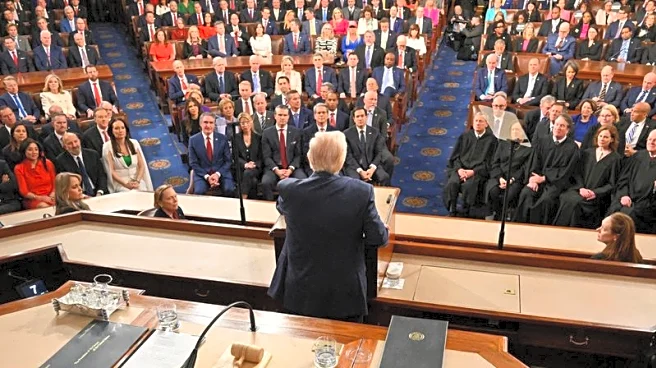
Representatives Ro Khanna (D-CA) and Thomas Massie (R-KY) are advocating for a war powers resolution that would require President Trump to obtain Congressional approval before launching any military strike on Iran. This move comes amid heightened tensions
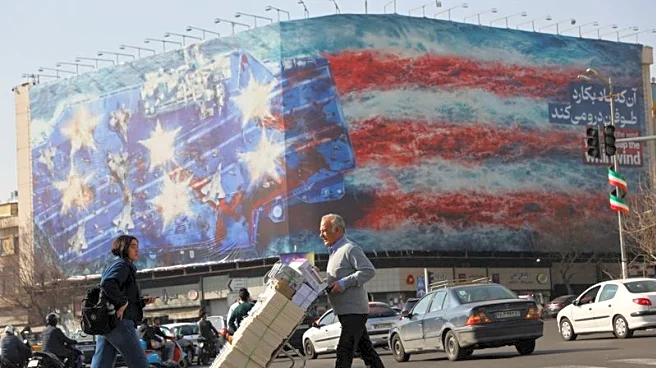
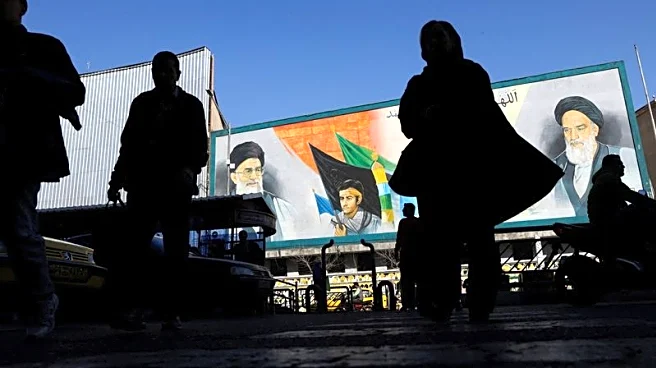
and a potential military buildup in the region. Recent reports suggest that the U.S. military is preparing for possible action against Iran, with an increased presence of aircraft and an additional aircraft carrier deployed near Iran. Khanna and Massie, known for their non-interventionist stance, argue that any decision to engage militarily with Iran should be made by Congress, not unilaterally by the President. They emphasize the potential risks to U.S. troops in the region and the catastrophic consequences of a war with Iran, a nation with significant military capabilities.
Why It's Important?
The push by Khanna and Massie highlights the ongoing debate over the executive branch's authority to engage in military actions without Congressional consent. This issue is particularly significant given the potential for escalation in the Middle East, which could have far-reaching implications for U.S. foreign policy and military strategy. A military conflict with Iran could endanger thousands of U.S. troops stationed in the region and destabilize an already volatile area. The resolution seeks to ensure that such a critical decision is made with broader legislative oversight, reflecting the constitutional role of Congress in declaring war. This development underscores the tension between the legislative and executive branches over war powers and the need for checks and balances in military engagements.
What's Next?
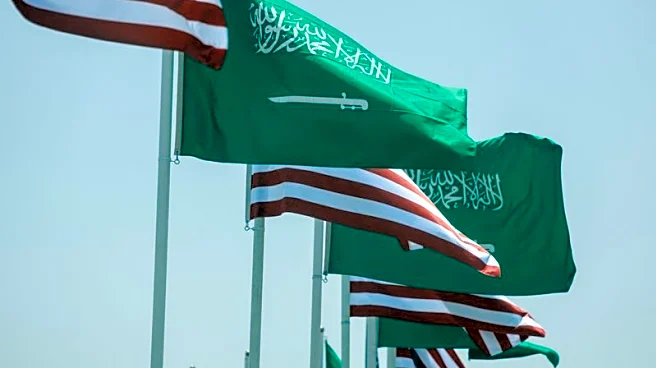
Khanna and Massie plan to force a vote on their resolution next week, aiming to prevent unilateral military action by President Trump. If successful, this could set a precedent for future military engagements, reinforcing Congressional authority in matters of war. The outcome of this vote will likely influence the administration's approach to Iran and could impact U.S. relations with allies and adversaries in the region. The resolution's progress will be closely watched by political leaders, military officials, and international observers, as it could shape the U.S.'s strategic posture in the Middle East.