





What's Happening?
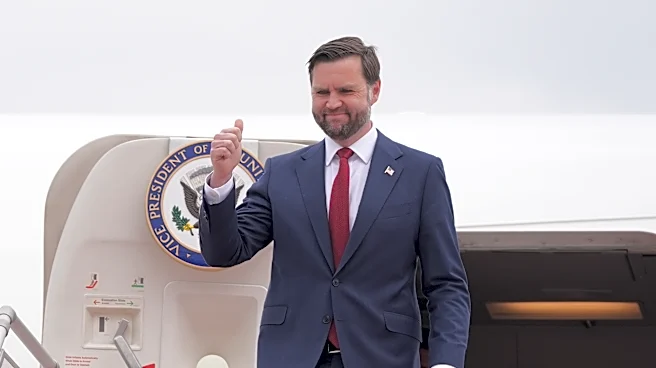
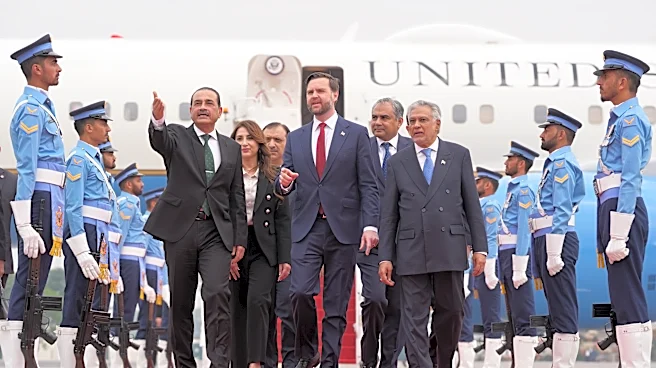
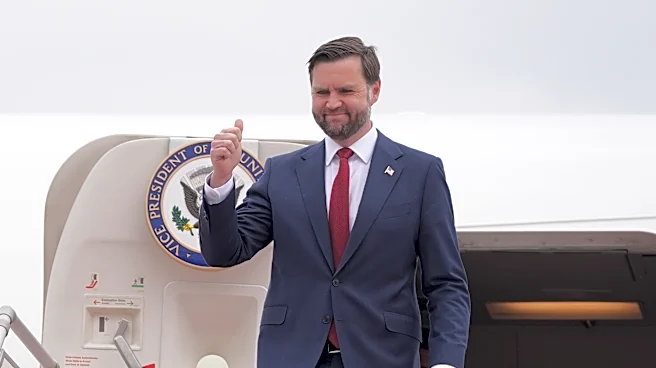
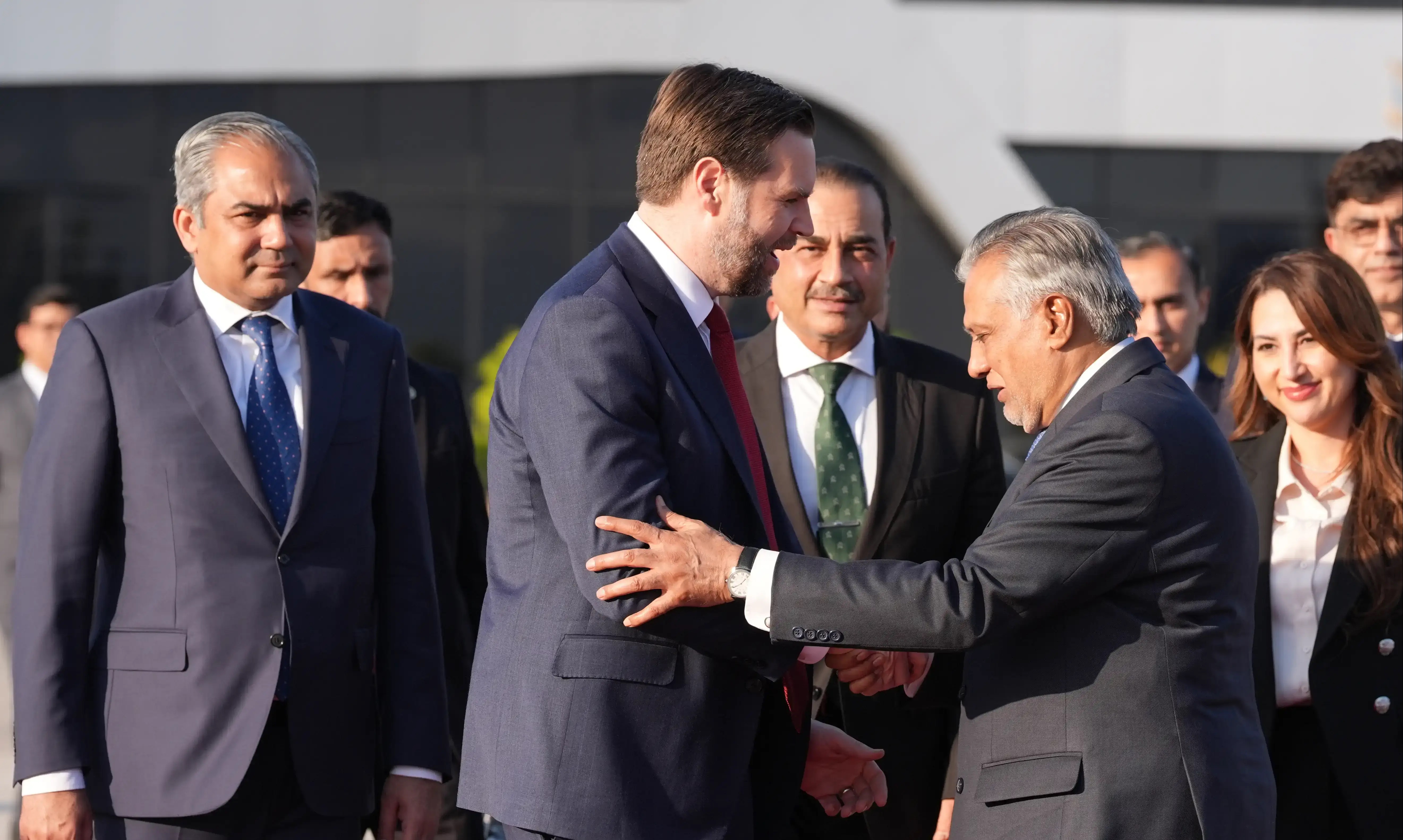
The United States and Iran concluded face-to-face negotiations in Islamabad without reaching an agreement, casting doubt on a fragile two-week ceasefire. The talks, led by U.S. Vice President JD Vance and Iranian Parliament Speaker Mohammad Bagher Qalibaf,
failed primarily due to Iran's refusal to commit to not developing nuclear weapons. The discussions, which lasted 21 hours, were aimed at addressing key issues such as Iran's nuclear program and the closure of the Strait of Hormuz. Iran's 10-point proposal sought an end to the war and control over the Strait, while the U.S. proposed restrictions on Iran's nuclear activities and reopening the Strait. The closure of the Strait of Hormuz has significantly impacted global oil trade, with only 12 ships transiting since the ceasefire began, compared to over 100 daily before. The talks were mediated by Pakistan, which has expressed willingness to facilitate further dialogue.
Why It's Important?
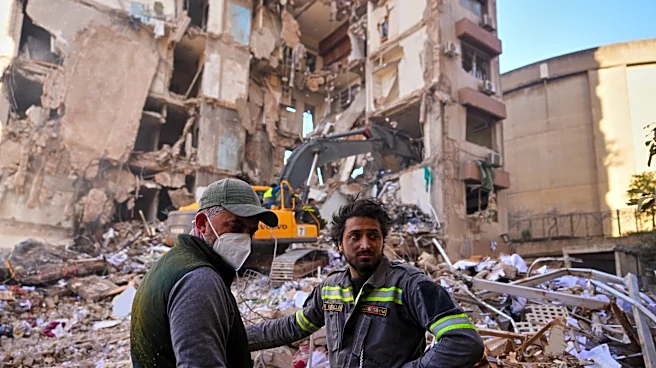
The failure to reach an agreement between the U.S. and Iran has significant implications for regional stability and global energy markets. The closure of the Strait of Hormuz, a critical chokepoint for global oil supply, has already led to increased energy prices. The ongoing conflict has resulted in thousands of casualties and extensive infrastructure damage across the Middle East. The inability to secure a commitment from Iran regarding its nuclear program raises concerns about nuclear proliferation and regional security. The situation also affects U.S. foreign policy and its relations with allies in the region, particularly Israel, which continues to engage in military actions against Iranian-backed Hezbollah in Lebanon.
What's Next?
With the ceasefire's future uncertain, the potential for renewed hostilities looms large. Pakistan has indicated its readiness to mediate further talks, but no new negotiations have been scheduled. The U.S. military's recent actions in the Strait of Hormuz, including the transit of destroyers for mine-clearing operations, suggest preparations for potential conflict escalation. Meanwhile, Israel's continued military operations in Lebanon could further complicate diplomatic efforts. The international community will be closely monitoring the situation, as any escalation could have far-reaching consequences for global security and economic stability.