



What's Happening?
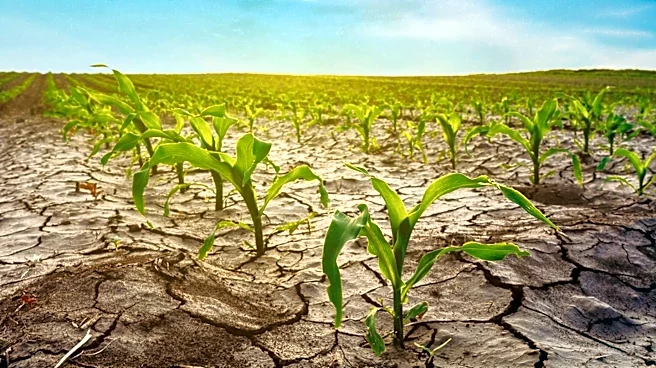
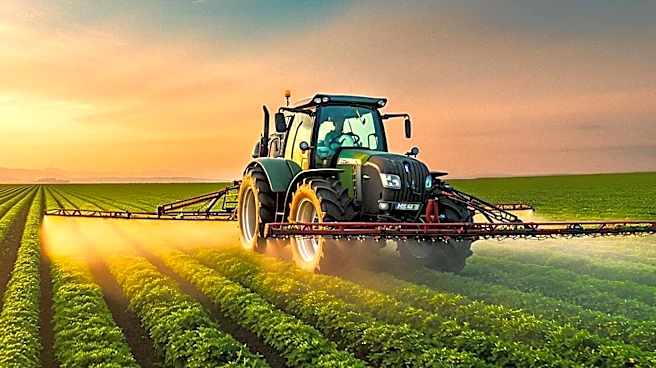
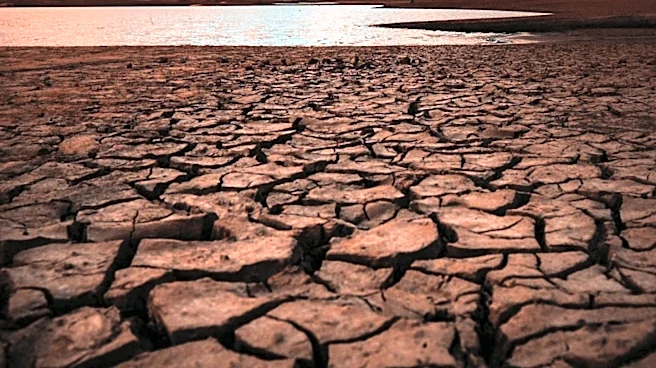
Wageningen University & Research in the Netherlands is offering a fully funded PhD program focused on optimizing sustainable agri-food supply chains under climate risk. The program aims to address the challenges posed by climate change, such as droughts,
floods, and heatwaves, which significantly impact agricultural production and food supply chains. The research will involve developing quantitative models and computational methods to redesign supply chains to withstand climate-related disruptions. The project is part of the Horizon Europe TIPPING initiative, which seeks to develop next-generation climate intelligence tools for agriculture. The PhD program is particularly suited for candidates with a background in operations research, applied mathematics, engineering, or data science.
Why It's Important?
The initiative is crucial as it addresses the growing need for resilient agricultural systems in the face of climate change. By optimizing supply chains, the program aims to ensure food security and sustainability, which are vital for economic stability and public health. The research will provide valuable insights into how supply chains can be adapted to changing environmental conditions, benefiting farmers, businesses, and policymakers. This could lead to more efficient resource use, reduced waste, and improved food distribution, ultimately supporting global efforts to combat climate change and its effects on agriculture.
What's Next?
The PhD program will commence in November 2026, with candidates expected to develop advanced optimization models and participate in international research collaborations. The research will contribute to the broader Horizon Europe TIPPING project, which involves multiple European partners. Successful candidates will have the opportunity to work on real-world case studies, providing practical solutions to climate-related challenges in agriculture. The outcomes of this research could influence future agricultural policies and practices, promoting sustainable development and climate resilience.