


What's Happening?
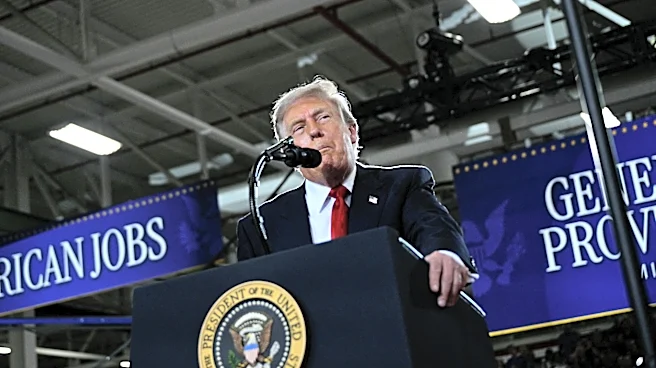
President Trump has filed a second petition to the Supreme Court regarding a defamation case brought by E. Jean Carroll. This new appeal, unlike the first, is supported by the Department of Justice (DOJ) and centers on presidential immunity. The first petition,
which was denied, involved a $5 million judgment against Trump for defamation and sexual abuse. The current appeal challenges an $83.3 million defamation award related to statements made during Trump's presidency. The DOJ's involvement suggests a focus on the broader implications of presidential actions rather than personal liability.
Why It's Important?
The involvement of the DOJ in Trump's second appeal highlights the ongoing debate over the extent of presidential immunity. This case could set a precedent for how defamation claims against sitting presidents are handled, potentially affecting future administrations. The outcome may influence how public officials conduct themselves while in office, knowing the legal protections or liabilities they might face. The decision could also impact the DOJ's role in defending or substituting for government officials in legal matters.
What's Next?
The Supreme Court's decision to hear this case could lead to significant legal interpretations of presidential immunity. If the court sides with Trump, it may reinforce the notion that actions taken by a president in office are protected from personal liability. Conversely, a decision against Trump could open the door for more lawsuits against sitting presidents, altering the legal landscape for executive conduct. The case's progression will be closely watched by legal experts and political analysts.