









What's Happening?
An outbreak of cyclosporiasis, a parasitic infection causing severe diarrhea, has been reported in New York, with nearly 400 cases identified since May 1. The New York Department of Health has confirmed that 273 of these cases are concentrated in New York City,
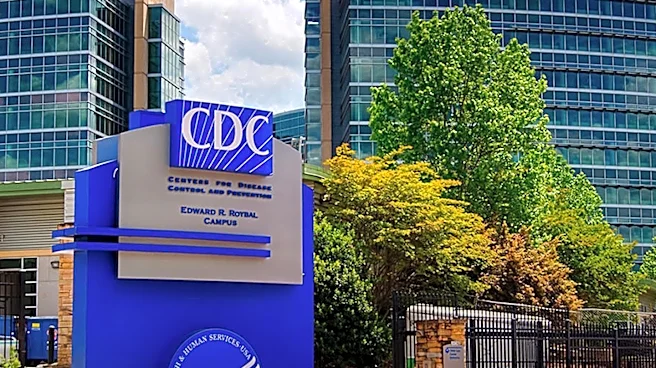
while the remaining 121 are spread across the state. This outbreak is part of a larger trend seen across the United States, with Michigan experiencing nearly 1,000 cases, marking it as one of the largest outbreaks in the state's history. Cyclosporiasis is caused by the Cyclospora parasite, which is often spread through contaminated food or water. The infection is not typically life-threatening and can be treated with antibiotics. Health officials are working with the Centers for Disease Control and Prevention (CDC) and the U.S. Food and Drug Administration (FDA) to identify potential sources of exposure.
Why It's Important?
The rise in cyclosporiasis cases highlights ongoing public health challenges related to food safety and the detection of foodborne illnesses. The outbreak underscores the need for improved food safety practices and better detection methods to prevent such infections. The economic impact could be significant, affecting the agricultural sector, particularly producers of fresh produce, as they may face increased scrutiny and potential losses if linked to the outbreak. Public health systems are also under pressure to manage and contain the spread, which could lead to increased healthcare costs. Consumers are advised to be vigilant about food hygiene, which may influence purchasing behaviors and impact the market for fresh produce.
What's Next?
Health officials will continue to investigate the outbreak to identify the source of contamination. This involves collaboration between state health departments, the CDC, and the FDA. As investigations proceed, there may be advisories or recalls issued for specific produce items if they are identified as the source. Public health campaigns may be launched to educate consumers on safe food handling practices. The outcome of these investigations could lead to policy changes or new regulations aimed at preventing future outbreaks.
Beyond the Headlines
The increase in cyclosporiasis cases may be partly attributed to climate change, which can affect the prevalence and distribution of parasites. Additionally, advancements in detection methods have led to more cases being identified and reported. This situation highlights the intersection of environmental changes and public health, emphasizing the need for adaptive strategies in managing foodborne illnesses. The outbreak also raises questions about the global food supply chain and the challenges in tracing contamination sources, which can complicate efforts to control such outbreaks.