


What's Happening?
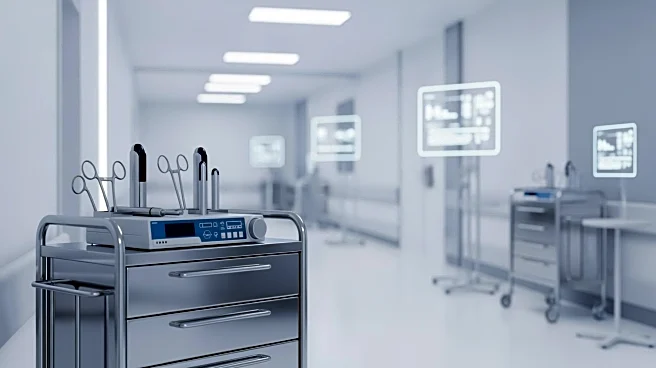
Hospitals are shifting from reactive to proactive management of medical device fleets to improve patient care and operational efficiency. With an increasing number of connected medical devices per hospital bed, clinical engineering teams face challenges
such as connectivity issues, cybersecurity threats, and skills gaps. A proactive approach involves investing in modern device management technologies and training clinical engineers to prevent disruptions in patient care. This strategy aims to reduce unplanned downtime, enhance cybersecurity, and ensure consistent device performance.
Why It's Important?
Effective management of medical devices is crucial for maintaining high standards of patient care and safety. By adopting a proactive approach, hospitals can minimize the risks associated with device malfunctions, cybersecurity breaches, and operational inefficiencies. This transition is essential for optimizing resource use, reducing healthcare costs, and improving patient outcomes. As healthcare technology continues to evolve, hospitals must prioritize investments in device management to stay ahead of potential challenges.
What's Next?
Hospitals are expected to continue investing in advanced device management solutions and training programs for clinical engineers. This includes implementing cybersecurity protocols and developing comprehensive incident response plans. Collaboration between IT, clinical engineering, and clinical providers will be key to optimizing patient outcomes. As the healthcare industry adapts to new technologies, hospitals will need to balance innovation with cost-effectiveness to ensure sustainable improvements in patient care.