





What's Happening?
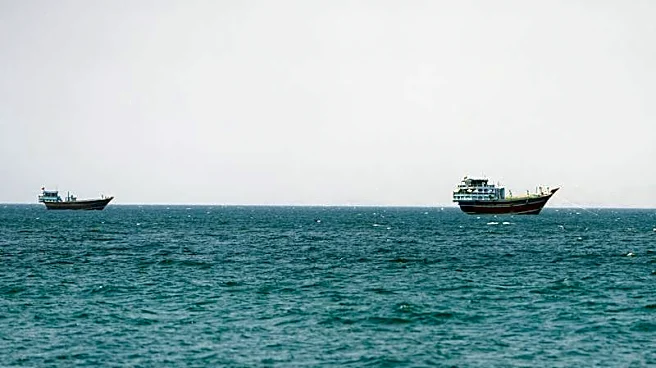
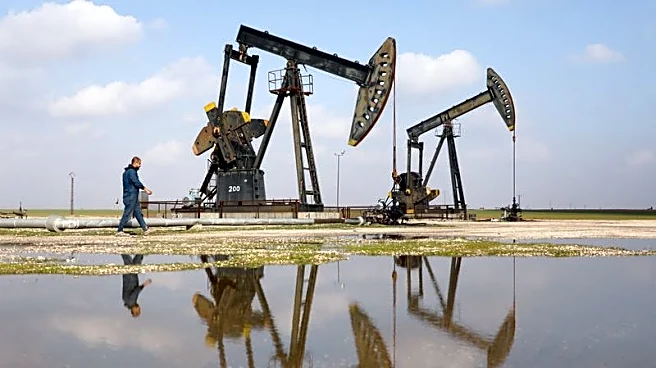
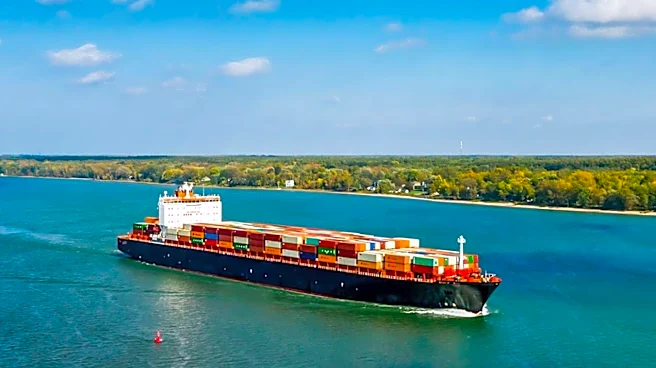
The Caspian Pipeline Consortium has experienced another shutdown due to Ukrainian drone attacks on tankers at the Russian Black Sea port of Novorossiysk. This marks the third shutdown in a month, severely impacting Kazakhstan's oil exports. The pipeline,
which transports crude from Kazakhstan's Tengiz oilfield to the Black Sea, is crucial for international producers like Chevron and ExxonMobil. The recent attacks have led to a significant reduction in Kazakhstan's oil production, dropping to about 1 million barrels per day from an average of 2.16 million bpd in June. The disruption adds to existing challenges in the Persian Gulf and Red Sea, further straining global oil supply.
Why It's Important?
The repeated disruptions of the Caspian Pipeline highlight the fragility of global oil supply chains amid geopolitical tensions. The pipeline is a vital route for Kazakhstan's crude exports, and its shutdown exacerbates supply risks in an already volatile market. The situation underscores the strategic importance of energy infrastructure security and the potential economic repercussions of regional conflicts. As global oil flows remain under pressure, energy prices could continue to rise, affecting industries and consumers worldwide.
What's Next?
The ongoing conflict and targeted attacks on energy infrastructure suggest that further disruptions are possible, potentially leading to more significant supply shortages and price volatility. International stakeholders, including governments and energy companies, may need to enhance security measures and explore alternative routes to mitigate risks. The situation could also prompt discussions on diversifying energy sources and increasing resilience against geopolitical threats.