






What's Happening?
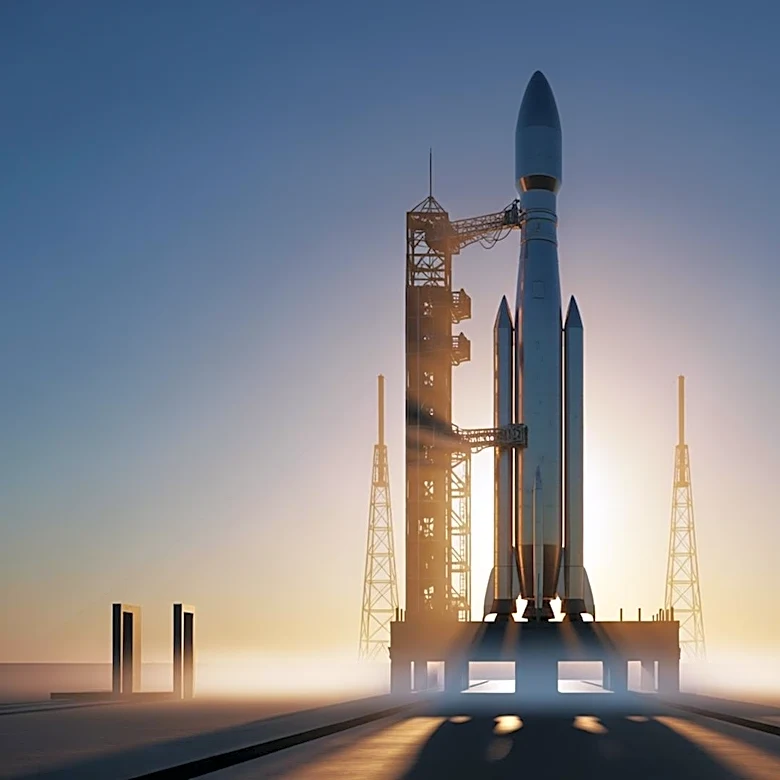
China is preparing to launch a series of new and reusable rockets, marking significant advancements in its space capabilities. The Long March 12B, a state-led initiative, is set to debut soon, featuring a kerosene and liquid oxygen propellant mix with
a 20-ton-class low Earth orbit carrying capacity. This follows the Long March 12A, which had a failed recovery attempt. Additionally, commercial entities like Galactic Energy and iSpace are also gearing up for launches. Galactic Energy's Pallas-1, a kerosene-liquid oxygen rocket, is ready for its first flight, while iSpace's Hyperbola-3 is expected to debut by the end of 2026. These developments are part of China's broader strategy to enhance its space access and support its megaconstellation projects.
Why It's Important?
The launch of these new rockets represents a significant step in China's efforts to expand its presence in space, which could have wide-ranging implications for global space competition. By increasing its launch capabilities, China aims to alleviate bottlenecks in its space program and support ambitious projects like megaconstellations. This could enhance China's strategic position in space, potentially challenging the dominance of other space-faring nations, including the United States. The advancements in reusable rocket technology also indicate a shift towards more sustainable and cost-effective space exploration, which could influence global space policies and commercial space ventures.
What's Next?
As China continues to develop its space capabilities, the international community will likely monitor these advancements closely. The successful launch and recovery of these rockets could lead to further investments in China's space industry and potentially accelerate its timeline for ambitious projects, such as lunar exploration. Other countries may respond by bolstering their own space programs to maintain competitive parity. Additionally, the commercial space sector could see increased collaboration or competition as Chinese companies like Galactic Energy and iSpace demonstrate their capabilities.