






What's Happening?
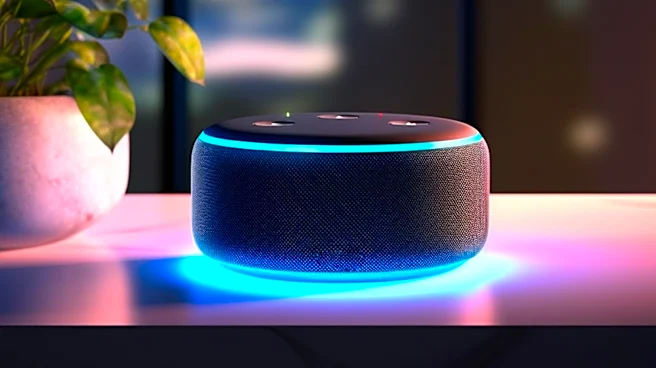
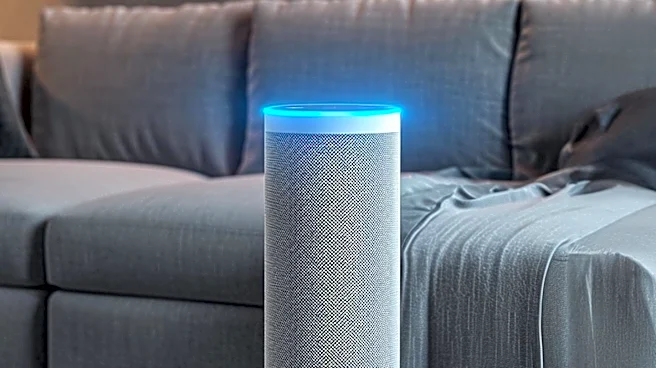
An experimental voice bridge, EchoMuse, has been developed to connect with Hubitat for local voice control of smart home devices. This integration allows users to control lights and switches using voice commands without requiring Home Assistant. The system
utilizes Whisper for speech recognition, an OpenAI-compatible Large Language Model (LLM) for interpreting requests, and Piper for spoken replies. This initial version supports basic commands such as on/off, brightness percentages, and a default speaker room. The developer has released the code and setup instructions on GitHub, emphasizing that it is an early experimental release and not a polished integration. Users are advised to start in dry-run mode and only allow devices they are comfortable experimenting with, as bugs and rough edges are expected.
Why It's Important?
This development is significant for the smart home industry as it offers a potential solution to the prevalent reliance on cloud servers for voice control. Many smart home devices currently depend on remote data centers to process commands, making them vulnerable to outages or obsolescence if company servers go offline or are discontinued. By enabling local voice control, EchoMuse and Hubitat reduce this dependency, offering users greater autonomy and reliability over their smart home systems. This shift could enhance privacy by keeping voice commands and device control within the local network, mitigating concerns about data harvesting and security breaches associated with cloud-based systems. It also provides an alternative for users who prefer not to be tied to specific ecosystems like Home Assistant, fostering more diverse and resilient smart home setups.
What's Next?
The developer is seeking feedback, fixes, and contributions from the community to refine the EchoMuse-to-Hubitat voice bridge. As an experimental release, further development will likely focus on improving stability, expanding command capabilities, and enhancing the overall user experience. The success of this project could encourage other developers and manufacturers to explore more local processing solutions for smart home devices, potentially leading to a broader trend away from exclusive cloud dependency. Future iterations might include support for a wider range of device types and more complex automation routines. The community's engagement will be crucial in identifying and resolving issues, ultimately shaping the direction and adoption of this local voice control technology.
Beyond the Headlines
The move towards local voice control, as exemplified by EchoMuse and Hubitat, highlights a growing desire among consumers for greater control, privacy, and reliability in their smart homes. This trend challenges the current industry model, where many smart devices function more like rented services due to their reliance on external servers. The ethical implications of data privacy are central to this shift, as local processing reduces the amount of personal data transmitted and stored by third-party companies. Legally, this could influence future regulations regarding data ownership and device functionality, particularly if consumers demand more self-contained smart home solutions. Culturally, it represents a pushback against the 'always-connected' paradigm, favoring systems that offer functionality even without constant internet access, thereby empowering users with more resilient and private technological environments.