






What's Happening?
A petition initiated by the Nashville Zoo to block the construction of a proposed data center adjacent to its property has garnered significant public support, with nearly 37,000 signatures collected. The zoo and conservationists express concerns that
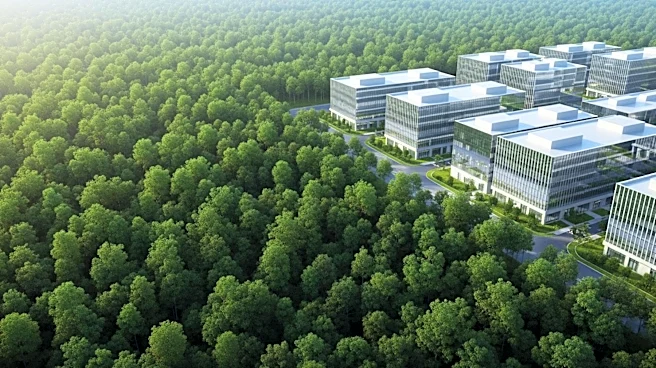
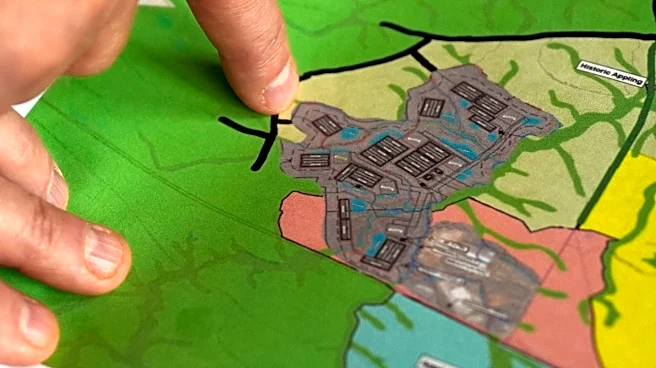
the data center, part of a broader trend in AI-driven infrastructure, could negatively impact the zoo's animals and the local environment. The proposed facility by DC Blox, a Georgia-based developer, is planned to be over 69,000 square feet and could expand further. The zoo argues that the data center could lead to increased noise, light pollution, and strain on local resources, potentially disrupting the habitats of sensitive species like clouded leopards. Despite assurances from DC Blox about minimizing environmental impact, the zoo and its supporters remain unconvinced, emphasizing the need for independent environmental assessments.
Why It's Important?
The controversy highlights the growing tension between technological development and environmental conservation. As data centers proliferate to meet the demands of AI and digital services, communities are increasingly concerned about their environmental footprint. The Nashville Zoo's petition underscores the potential risks such facilities pose to wildlife and local ecosystems, particularly when located near conservation areas. The outcome of this dispute could set a precedent for how similar projects are evaluated and approved in the future, balancing economic growth with environmental stewardship. The case also reflects broader societal debates about sustainable development and the prioritization of natural habitats over industrial expansion.
What's Next?
The proposed data center is still under review, with permits yet to be approved. The Nashville Zoo is actively rallying public support to prevent the project's approval, emphasizing the potential harm to over 3,000 animals and the local community. The zoo's efforts may influence city leaders and regulatory bodies to conduct more thorough environmental assessments before granting approval. The situation could prompt broader discussions on regulatory frameworks for data centers, especially those near sensitive ecological zones. The outcome may also encourage other communities to take similar stands against developments perceived as environmentally detrimental.