


What's Happening?
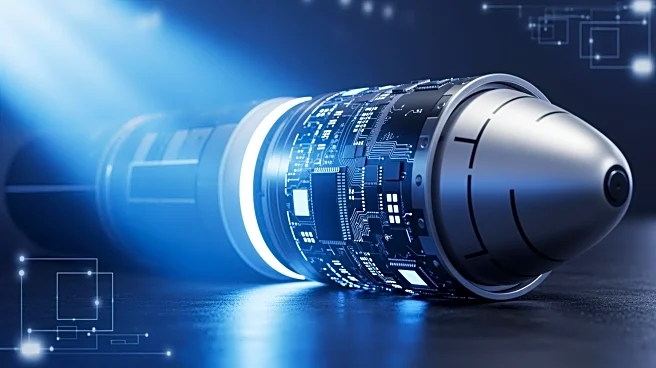
A recent investigation has revealed that a Russian Iskander missile, which caused significant casualties in Ukraine, contained components manufactured by U.S. companies. The missile attack, which occurred in Kryvyi Rih, resulted in the deaths of 20 people,
including nine children. Ukrainian investigators have identified parts from American companies such as Intel, Analog Devices, and Texas Instruments in the missile's wreckage. Despite export controls and sanctions, these components continue to find their way into Russian military equipment. The attack has been declared the war's largest confirmed casualty event involving Ukrainian children.
Why It's Important?
The presence of U.S. technology in Russian missiles highlights significant challenges in controlling the flow of sensitive components to adversarial nations. This situation raises ethical and legal questions about the responsibility of American companies in preventing their products from being used in military conflicts. The findings could lead to increased scrutiny and pressure on these companies to enhance their compliance measures. Additionally, the incident underscores the complexities of global supply chains and the difficulties in enforcing export controls, potentially prompting policy changes in the U.S. and other countries.
What's Next?
Ukrainian authorities are pursuing accountability for the attack, charging Russian military officials with war crimes. The ongoing investigation may lead to further diplomatic tensions between the U.S. and Russia, as well as calls for stricter regulations on the export of dual-use technologies. American companies involved may face increased regulatory oversight and pressure to improve their tracking and compliance systems to prevent future diversions of their products.
Beyond the Headlines
The incident raises broader questions about the ethical responsibilities of technology companies in global conflicts. It also highlights the potential for unintended consequences when advanced technologies are exported without stringent controls. The situation may lead to a reevaluation of international trade policies and the role of corporations in ensuring their products are not used for harmful purposes.