




What's Happening?
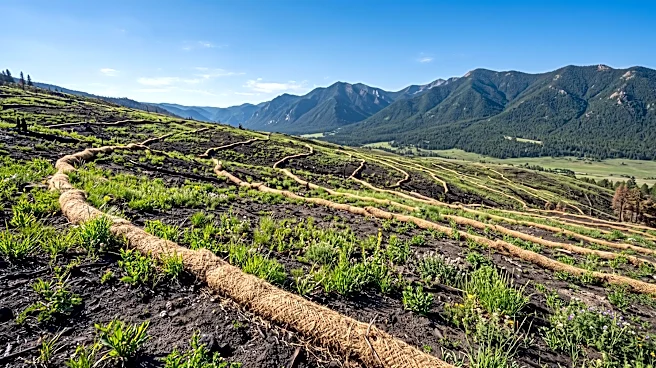
Colorado Governor Jared Polis has announced that the state will cover 75% of the local share of costs for Emergency Watershed Protection projects aimed at reducing flood risk in areas affected by the Aspen Acres and Gold Mountain Fires. These projects are located
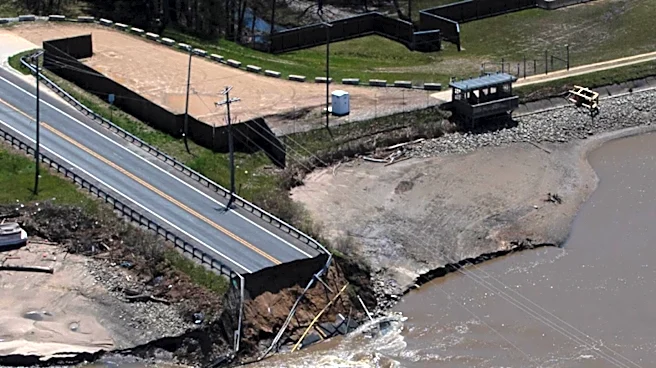
in Ouray, Pueblo, and Custer Counties. The U.S. Department of Agriculture's Natural Resources Conservation Service (NRCS) program provides assistance, typically covering 75% of eligible construction costs, with local and county organizations responsible for the remaining 25%. Under Governor Polis's new initiative, the state will now cover 75% of that local 25% share, reducing the financial burden on local authorities to just 6.25% of the total eligible construction costs. This decision follows a recent incident where a Beulah man was swept away by floodwaters after the Aspen Acres Fire, highlighting the severe threat of flash flooding in burn scar areas due to vegetation loss and hydrophobic soil.
Why It's Important?
This state funding initiative is crucial for Colorado communities recovering from devastating wildfires, as it significantly alleviates the financial strain on local governments. Wildfires not only cause immediate destruction but also lead to long-term environmental consequences, such as increased flood risk, which can further endanger lives, homes, and infrastructure. By covering a larger portion of the costs, the state enables counties to implement essential flood mitigation measures more readily, freeing up local funds for other critical recovery needs. This collaborative approach between state, federal, and local entities underscores a commitment to protecting public safety and supporting the resilience of communities in the face of escalating climate-related disasters. The move also acknowledges the ongoing threat posed by post-fire flooding, which can persist for years after the flames are contained.
What's Next?
The increased state support is expected to expedite the implementation of flood risk reduction projects in the affected counties. Local authorities, now facing a significantly reduced financial obligation, can proceed with these vital protection measures more efficiently. The Colorado Office of Emergency Management has emphasized that flooding poses an "imminent threat to public safety" in burn scar areas, making these funds critical for immediate and long-term mitigation efforts. While the federal government approved a portion of Colorado's Major Disaster Declaration request for aid related to the Aspen Acres and Gold Mountain Fires, specifically for critical infrastructure repair and debris cleanup, requests for Individual Assistance and the Hazard Mitigation Grant Program were denied. This state-level intervention aims to fill some of those gaps and ensure comprehensive recovery and protection for residents.
Beyond the Headlines
The initiative highlights a growing recognition of the cascading impacts of climate change, where wildfires are increasingly followed by severe flooding events. This interconnectedness necessitates a more integrated and proactive approach to disaster preparedness and recovery. The financial relief provided by the state could serve as a model for other regions grappling with similar challenges, demonstrating how state governments can step in to bridge funding gaps and support local resilience efforts. Furthermore, it underscores the importance of intergovernmental cooperation in addressing complex environmental issues, particularly when federal aid may not fully cover all aspects of disaster recovery. The focus on protecting communities from post-fire flooding also brings attention to the long-term environmental and social costs associated with large-scale wildfires.