


What's Happening?
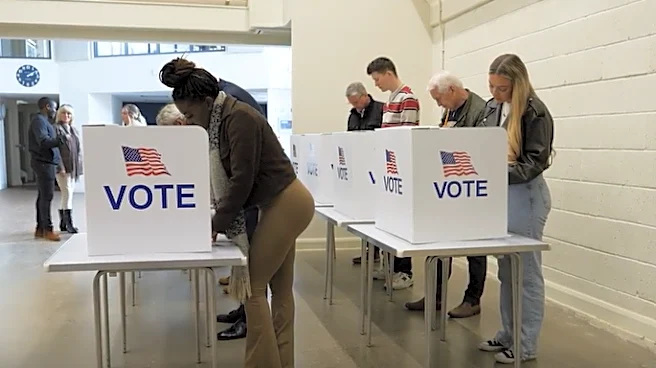
Lincoln voters have approved a charter amendment to align city elections with statewide elections, starting in 2030. This decision is expected to result in longer election nights and delayed result reporting, a trend already observed in recent elections.
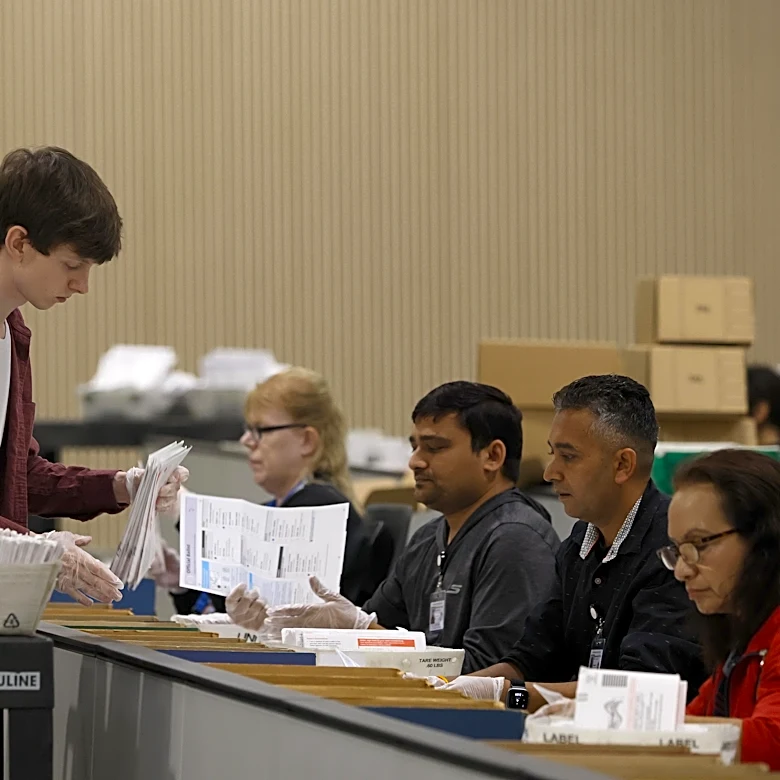
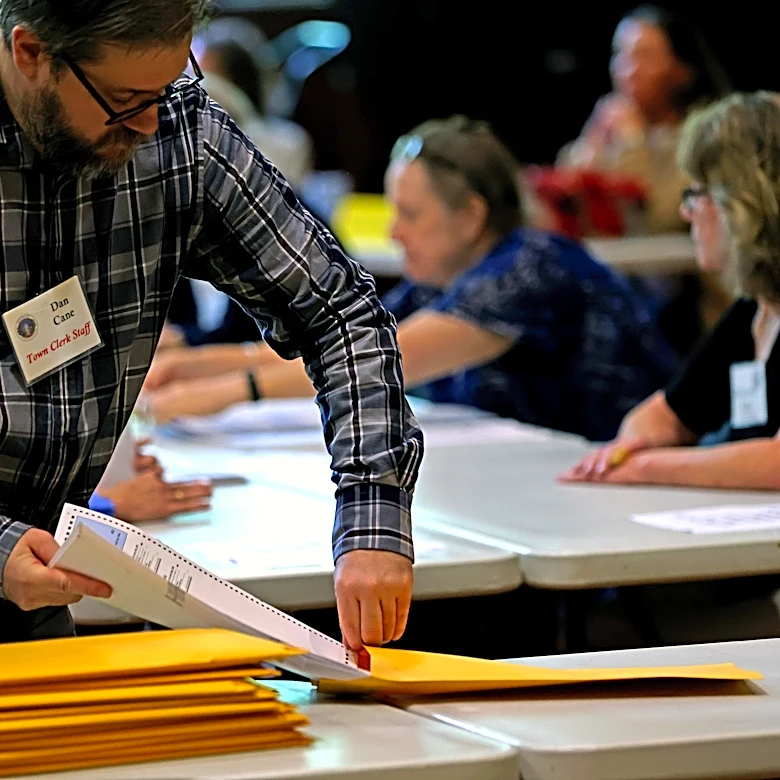
Lancaster County Election Commissioner Todd Wiltgen attributed a recent late night of results to high voter turnout and a lengthy ballot, with 90% of Lancaster County voters residing in the city and using two-page ballots. The combination of city, state, and federal races, along with an increasing number of petition initiatives, is anticipated to further lengthen future ballots and the time required to process votes.
Why It's Important?
The decision to combine city and state elections in Lincoln carries significant implications for voter engagement and election administration. While potentially increasing voter turnout for local races by aligning them with higher-profile state and federal contests, it also risks voter fatigue and confusion due to lengthier ballots. As noted by Kevin Smith, a political science professor at the University of Nebraska-Lincoln, voters may opt out of voting on complex measures if they lack clear understanding, leading to a subgroup of highly interested voters disproportionately influencing outcomes. This shift could alter the dynamics of local governance and the representation of broader community interests.
What's Next?
Starting in 2030, Lincoln will experience combined city and statewide elections, which will likely lead to significantly longer ballots and extended periods for vote tabulation. Election officials, such as Lancaster County Election Commissioner Todd Wiltgen, anticipate these changes will make late election nights or early mornings the norm. This will necessitate adjustments in election administration, potentially including increased staffing, improved technology for ballot processing, or public education campaigns to help voters navigate more complex ballots. The trend of increasing petition initiatives also suggests that future elections will continue to be challenging for both voters and election officials.
Beyond the Headlines
The move to combine elections in Lincoln reflects a broader national debate on election efficiency, voter access, and the impact of ballot length on democratic participation. While the intent may be to streamline the electoral process and boost local engagement, the practical challenges of longer ballots and delayed results could inadvertently disenfranchise some voters or lead to less informed decisions on specific issues. The increasing reliance on petition initiatives also highlights a growing trend of direct democracy, which, while empowering citizens, can also lead to complex and potentially confusing ballot measures. This situation underscores the delicate balance between making elections accessible and ensuring that voters are well-informed on all issues presented.