





What's Happening?
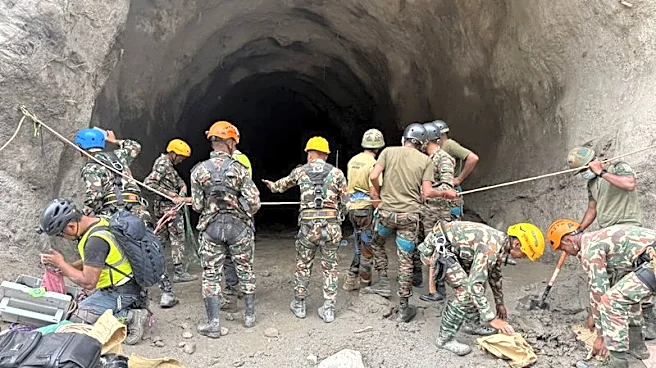
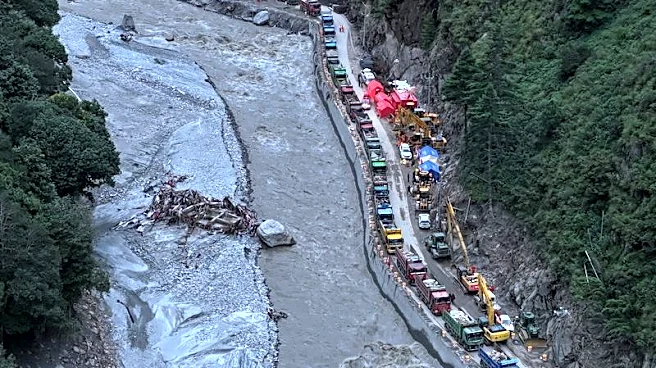
Nepal's Minister for Foreign Affairs Shisir Khanal has clarified that Kathmandu has not sought financial compensation from India or any other country, including China or the United States, following catastrophic flash floods. Khanal dismissed reports
suggesting that Nepal had formally demanded climate compensation from its regional neighbor. He emphasized that Nepal's call is for the global community to view the disaster through the lens of climate change and its impact on the nation. Khanal highlighted the shared environmental ecosystems among China, India, and Nepal in the Himalayas, urging these countries to collaborate for better preparedness against climate change impacts. He also called for global support for smaller nations like Nepal, stressing the need to address the long-term effects of rising temperatures rather than providing one-time assistance.
Why It's Important?
This clarification is crucial for managing international relations and perceptions surrounding climate-related disasters. By explicitly denying claims for compensation, Nepal aims to prevent diplomatic friction and foster a collaborative approach to regional environmental challenges. The emphasis on shared climate vulnerability among Himalayan nations underscores the interconnectedness of their ecosystems and the necessity for collective action. This stance also frames the disaster as a broader climate change issue, aligning with Nepal's call for global support and recognition of the disproportionate impact on smaller nations. It shifts the focus from bilateral financial demands to a multilateral understanding of climate justice and preparedness, potentially influencing how international aid and climate discussions are approached in the future.
What's Next?
Nepal will likely continue to advocate for global cooperation and support in addressing climate change impacts, particularly within the Himalayan region. Foreign Minister Khanal's call for China, India, and Nepal to unite for better preparedness suggests potential future dialogues and joint initiatives on climate resilience. The focus will remain on securing international assistance that considers the long-term effects of climate change rather than just immediate disaster relief. This approach could lead to increased collaboration on environmental monitoring, early warning systems, and sustainable development practices across the Himalayan belt. Nepal's diplomatic efforts will likely center on raising awareness about the broader implications of climate change for vulnerable nations and encouraging a more comprehensive global response.
Beyond the Headlines
Nepal's decision to not seek direct compensation, but rather to frame the disaster within the context of global climate change, reflects a strategic diplomatic approach. It positions Nepal as a proponent of collective climate action and highlights the shared responsibility of the international community. This stance could influence other climate-vulnerable nations to adopt similar strategies, emphasizing collaborative solutions over compensatory demands. It also underscores the growing recognition that climate change transcends national borders, necessitating regional and global solidarity. The call for a unified approach among Himalayan countries could lay the groundwork for a more integrated regional strategy for environmental protection and disaster management, potentially setting a precedent for other ecologically sensitive regions facing similar climate threats.