



What's Happening?
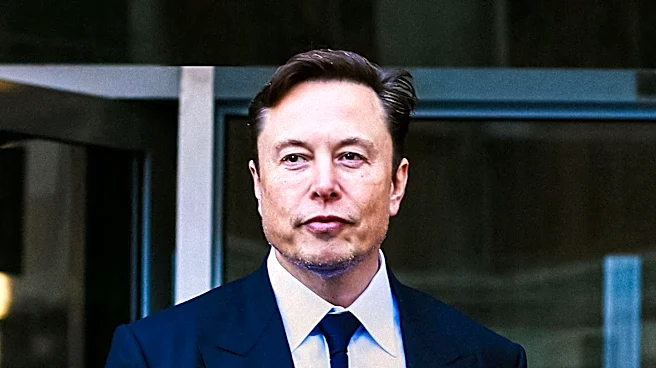
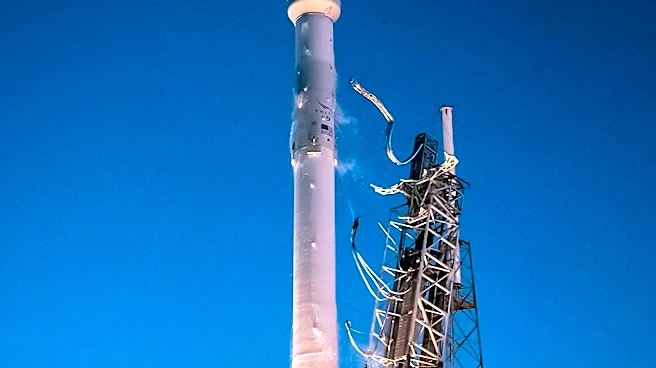
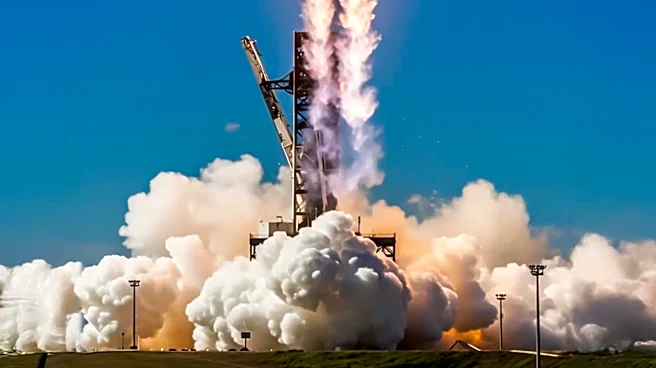
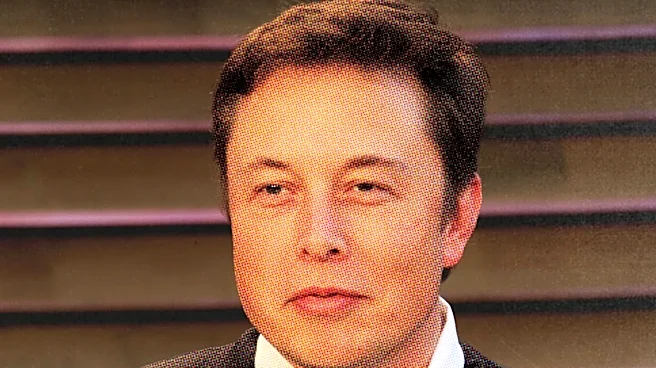
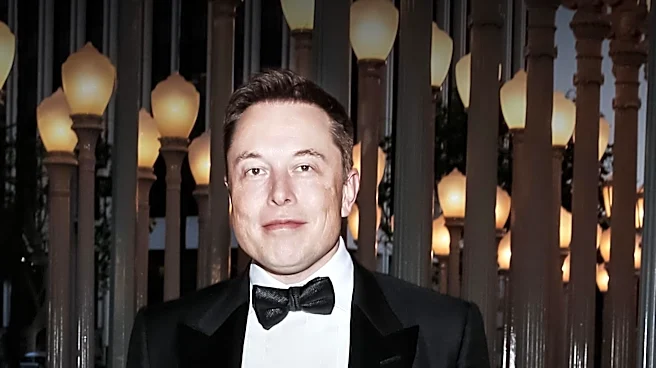
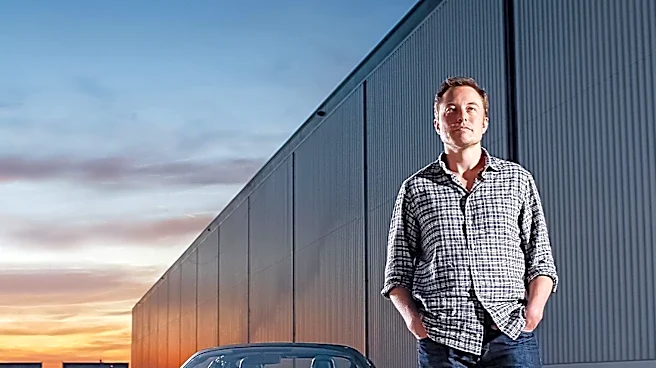
Elon Musk briefly became the world's first trillionaire in June 2026 following SpaceX's stock market listing, with his net worth reaching around 1.1 trillion dollars according to Forbes. However, by early August 2026, his wealth had dropped significantly,
placing him between 690 billion and 750-800 billion dollars, no longer a trillionaire but still the richest person in the world. This milestone has sparked discussions about the concentration of wealth and economic inequality, as Musk's wealth alone surpasses the combined assets of the poorest 46% of the world's population. The rapid rise and fall of Musk's wealth underscore the volatility of extreme wealth accumulation in today's economy.
Why It's Important?
The brief attainment of trillionaire status by Elon Musk serves as a stark reminder of the widening economic gap between the ultra-rich and the rest of the population. This event has intensified debates on global economic inequality, with experts arguing that the concentration of wealth among a few individuals distorts democratic processes and exacerbates poverty. The situation highlights the urgent need for policy changes to address wealth distribution and ensure equitable access to resources. The disparity in wealth is not only a financial issue but also a social and political one, affecting the stability and fairness of societies worldwide.
What's Next?
In response to the growing inequality, a framework titled 'A Roadmap to End Poverty: Beyond Growth' has been released, advocating for a shift in economic policies to prioritize equity and sustainability over mere GDP growth. This document, supported by economists and civil society organizations, calls for governments to implement fiscal and regulatory measures to redistribute wealth and curb the concentration of economic power. The framework emphasizes the need for a development model that leaves no one behind, urging a reevaluation of the current economic systems that favor the ultra-rich.
Beyond the Headlines
The implications of Musk's wealth milestone extend beyond economic inequality, touching on issues of political influence and media control. The concentration of wealth among billionaires allows them to exert significant influence over political processes and media narratives, potentially undermining democratic principles. This power dynamic raises concerns about the erosion of civil liberties and the ability of ordinary citizens to have their voices heard. The situation calls for a critical examination of the relationship between wealth, power, and democracy, and the need for safeguards to protect the rights and freedoms of all individuals.