







What's Happening?
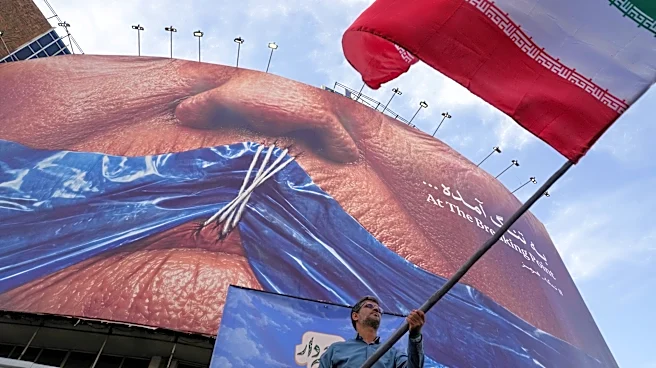
Iran has introduced updated protocols for ships transiting the Strait of Hormuz, a critical waterway for global oil transportation. The Islamic Revolutionary Guard Corps announced that 'safe, stable passage' would be possible under new guidelines. However,
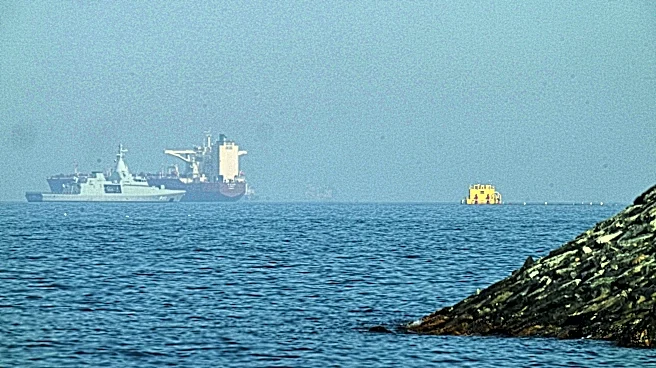
shipowners remain cautious, citing recent attacks and unclear conditions as reasons for their hesitance. The new process requires shipowners to submit detailed information about their vessels and cargo to the Persian Gulf Strait Authority. Despite these developments, industry executives express skepticism about the immediate resumption of traffic through the strait, given the recent history of tensions and blockades in the region.
Why It's Important?
The Strait of Hormuz is a vital chokepoint for the global oil market, and any disruption in its transit can have significant economic repercussions. The introduction of new transit protocols by Iran is an attempt to stabilize the situation and potentially reopen the waterway for international shipping. However, the cautious stance of shipowners highlights the ongoing geopolitical tensions and the risks associated with navigating this region. The effective closure of the strait has already led to increased oil prices, impacting global markets and economies. The situation underscores the delicate balance of power and the importance of diplomatic efforts to ensure the free flow of goods through this strategic passage.
What's Next?
The international shipping community is likely to monitor the situation closely, awaiting further clarification and assurances from Iran regarding the safety and stability of the new transit protocols. The response from major oil-importing countries and international regulatory bodies will be crucial in determining the next steps. Any increase in shipping activity through the strait will depend on the perceived reliability of the new guidelines and the geopolitical climate. The potential for diplomatic negotiations between Iran and other nations, including the United States, could also influence future developments in the region.