





What's Happening?
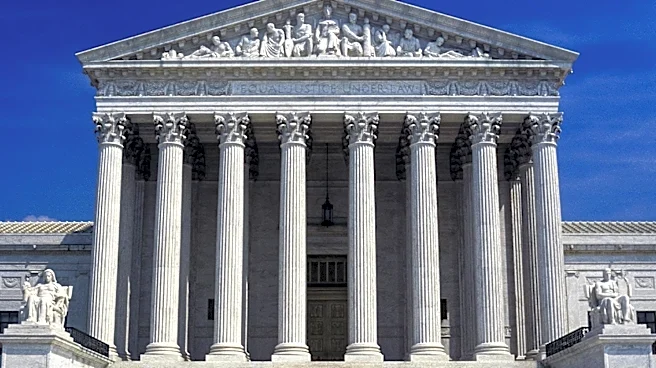
The United States Supreme Court has dismissed an immigration case, *Genalo v. Black*, that was scheduled for argument in October. The dismissal occurred after U.S. Solicitor General D. John Sauer informed the court that the case had become moot. Initially,
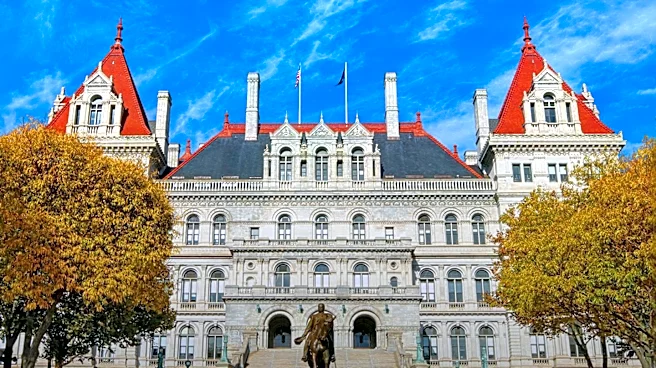
the case involved two men detained under Section 1226(c) of the Immigration and Nationality Act, which mandates the detention of noncitizens, including green card holders, who have committed certain crimes and are awaiting removal proceedings. The core issue was whether these individuals had a right to a bond hearing during prolonged detention, particularly in light of a 2nd Circuit Court of Appeals decision. One of the men, Carol Williams Black, left the U.S., rendering his claim moot. The case then focused on the other individual, Keisy G.M., who had been detained for 21 months. However, New York Governor Kathy Hochul granted G.M. a pardon for his assault conviction in late August, making him no longer deportable or subject to mandatory detention under Section 1226(c). Consequently, the Justice Department agreed with G.M. that his habeas case was also moot, leading to the joint stipulation for dismissal by Sauer and ACLU National Legal Director Cecillia Wang.
Why It's Important?
The dismissal of *Genalo v. Black* highlights the dynamic nature of legal proceedings and the impact of external factors, such as pardons, on Supreme Court dockets. This case was poised to address a significant and unresolved question regarding the Fifth Amendment's due process clause in the context of prolonged immigration detention. The Supreme Court had previously touched upon this in *Jennings v. Rodriguez* (2018), which held that Section 1226(c) itself did not require periodic bond hearings but left open the question of whether due process might eventually necessitate such hearings during lengthy detentions. The case's mootness means that this critical legal question remains unanswered by the highest court, leaving lower courts and immigration authorities without definitive guidance on the constitutional limits of mandatory detention. This outcome affects noncitizens facing similar detention circumstances, as the legal framework for their bond hearings continues to be subject to varying interpretations and challenges.
What's Next?
While *Genalo v. Black* has been dismissed, the underlying legal question regarding bond hearings for noncitizens in prolonged detention remains unresolved. U.S. Solicitor General D. John Sauer has indicated that the Justice Department intends to bring this issue back to the Supreme Court soon through a new petition for review. This suggests that the federal government is keen on obtaining a definitive ruling on the matter, which could clarify the scope of Section 1226(c) and its interaction with Fifth Amendment due process rights. The Supreme Court's October sitting now has only one argument scheduled for October 13 and a total of six arguments, indicating a lighter docket. Future cases addressing this issue will likely emerge from lower court decisions, potentially leading to another Supreme Court review. The outcome of such future cases could significantly impact immigration policy and the rights of noncitizens facing detention in the U.S.
Beyond the Headlines
The dismissal of this immigration case, while seemingly procedural, underscores the complex interplay between executive actions, judicial review, and individual rights in the U.S. legal system. Governor Hochul's pardon of Keisy G.M. demonstrates how state-level executive decisions can directly influence federal legal challenges, effectively removing a case from the Supreme Court's consideration. This highlights the decentralized nature of American governance and the potential for different branches and levels of government to impact legal outcomes. Furthermore, the ongoing debate over mandatory detention and bond hearings for noncitizens reflects broader societal tensions regarding immigration enforcement, due process, and the balance between national security and individual liberties. The Supreme Court's eventual ruling on this matter, when it inevitably arises again, will have profound implications for the rights of noncitizens and the operational practices of immigration authorities, shaping the future of immigration law in the United States.