






What's Happening?
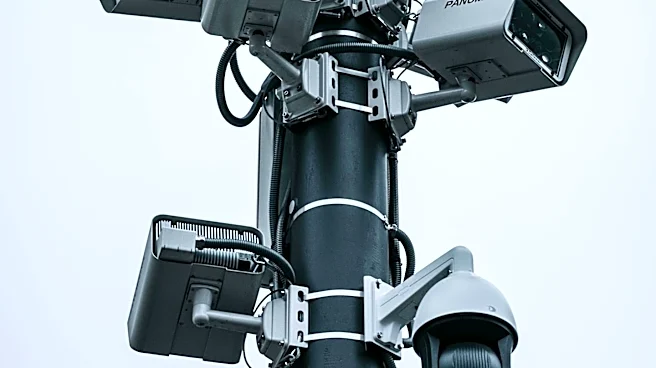
Cambridge is exploring the reinstatement of its ShotSpotter gunshot detection program and has opted for a novel approach by forming its first-ever Civic Assembly to deliberate on the matter. Instead of a traditional vote, the city is engaging local residents
directly, even offering $1,000 to each participant. A special public lottery was held at City Hall to select 40 residents for this assembly. These chosen individuals will be tasked with making recommendations on the future of public safety, specifically concerning ShotSpotter technology and video surveillance. The formation of this Civic Assembly was prompted by a City Council policy order following the shooting death of a city worker in July. The ShotSpotter program had been deactivated in May due to privacy concerns but was reactivated after the worker's death, raising questions about its potential role in public safety.
Why It's Important?
The establishment of a Civic Assembly in Cambridge to address the ShotSpotter program represents a significant and innovative approach to local governance and public policy-making. By directly involving and compensating residents, the city is attempting to foster a more inclusive and informed decision-making process, potentially setting a precedent for other municipalities grappling with complex and controversial issues. The debate over ShotSpotter touches on critical aspects of public safety, privacy rights, and the effectiveness of surveillance technology. The program's deactivation due to privacy concerns, followed by its reactivation after a tragic incident, highlights the tension between these competing values. The assembly's recommendations will have a direct impact on how Cambridge approaches gun violence and the use of technology in policing, influencing community trust and civil liberties.
What's Next?
The 40 selected residents of Cambridge's Civic Assembly will spend four days over the next three months meeting and learning about available technology related to gunshot detection and video surveillance. Their objective is to develop a comprehensive plan for the city regarding these technologies. The recommendations from this assembly will be crucial in determining the long-term future of the ShotSpotter program in Cambridge. The city's decision to pay participants suggests a serious commitment to the assembly's work and its potential influence on policy. The outcome of this process could lead to either the permanent reinstatement, modification, or complete discontinuation of the ShotSpotter program, and may also inform broader policies on surveillance and public safety within the city.
Beyond the Headlines
The Cambridge Civic Assembly initiative delves into deeper questions about democratic participation and the role of citizens in complex policy decisions. By moving beyond traditional voting mechanisms and engaging a representative cross-section of residents, the city is experimenting with deliberative democracy. This model aims to create more legitimate and widely accepted policy outcomes by ensuring that decisions are informed by diverse perspectives and thorough consideration of evidence. However, challenges may include ensuring the assembly's recommendations are truly independent and not unduly influenced, and how these recommendations will be integrated into the existing political structure. The success or failure of this model in Cambridge could provide valuable insights for other communities seeking to enhance citizen engagement in contentious public policy debates.