


What's Happening?
Hawaii is undergoing a significant weather transition in November, moving from the dry summer season towards a wetter winter pattern. This shift is characterized by increasing rainfall, particularly in the windward regions of the islands. For instance,
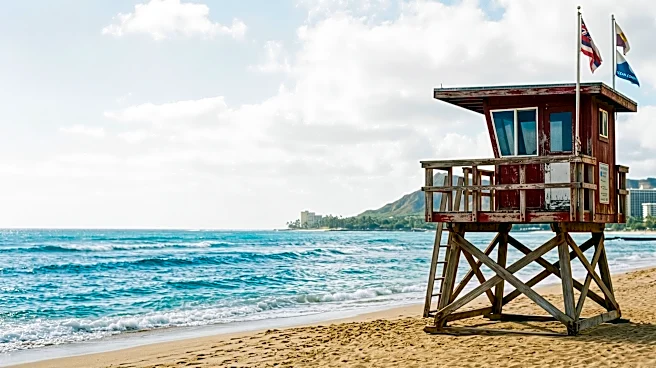
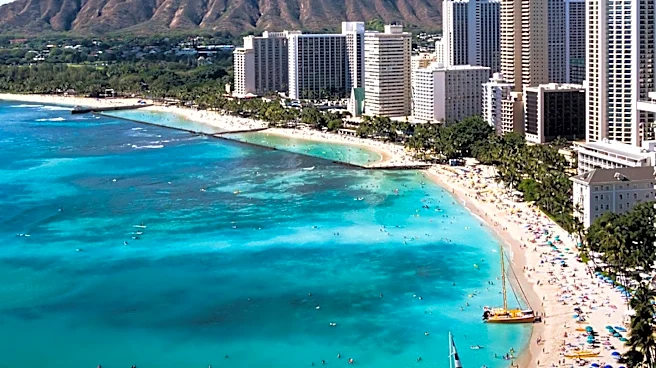
Oahu's eastern coast, including areas like Kailua and Kaneohe, is experiencing a noticeable increase in precipitation. In contrast, leeward areas such as Waikiki and Kapolei typically remain drier, though brief showers can occur anywhere. Maui also exhibits a stark contrast, with the windward town of Hana receiving frequent, heavy rainfall, while leeward areas like Lahaina and Kihei remain sunny and arid. This weather pattern is influenced by the weakening of high-pressure systems and the penetration of cold fronts from the north, leading to varied conditions across the archipelago.
Why It's Important?
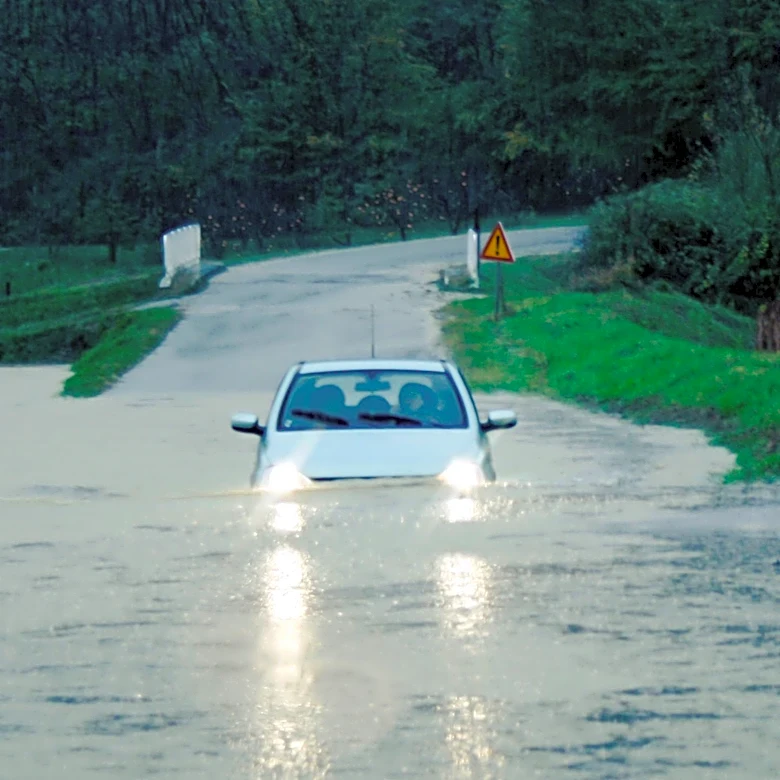
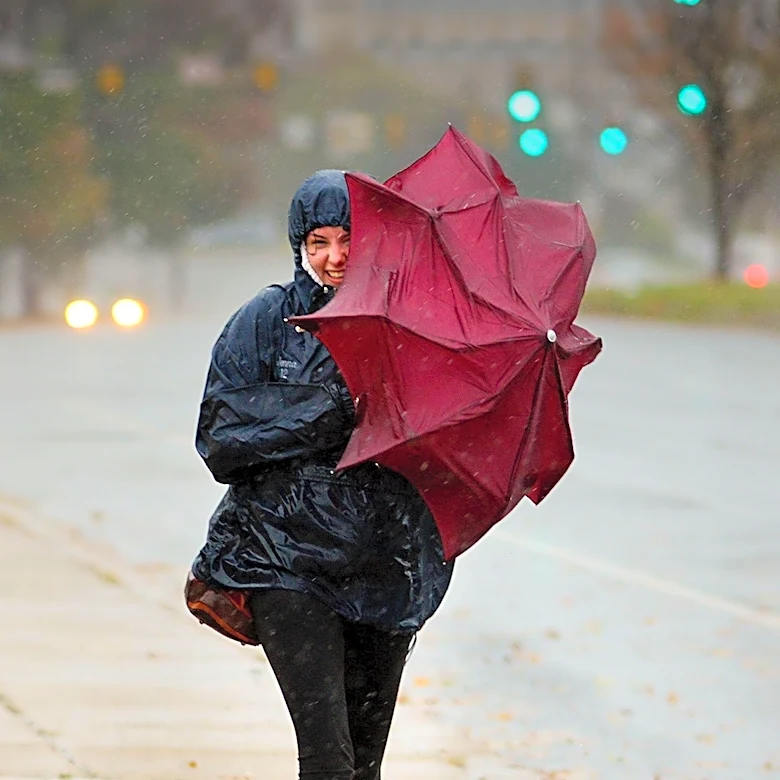
This seasonal weather transition in Hawaii has significant implications for residents, tourism, and local ecosystems. Increased rainfall in windward areas can lead to lush landscapes but also potential for flash floods and mudslides, impacting infrastructure and daily life. For the tourism industry, understanding these patterns is crucial for visitor planning, as different parts of the islands offer varied experiences based on weather. Tourists might need to adjust their expectations and packing strategies, with a focus on rain gear for windward excursions. Environmentally, the shift replenishes freshwater sources and supports the islands' unique biodiversity, but also increases runoff, which can affect coastal water quality. The variability in weather across short distances highlights the complex geographical and meteorological factors at play in the Hawaiian islands, influencing everything from agriculture to outdoor recreational activities.
What's Next?
As November progresses, the likelihood of increased shower activity and unsettled weather is expected to rise. Visitors and residents should anticipate continued variability in weather patterns, with the potential for more significant rainfall events as the islands fully transition into the winter season. Local authorities and weather services will likely continue to monitor conditions closely, issuing advisories for potential flooding or hazardous conditions, especially in windward and mountainous regions. For the tourism sector, this means continued emphasis on flexible travel plans and preparation for diverse weather conditions. The winter swell season for surfers on the north shores of the islands is also beginning to build, indicating a shift in ocean conditions and recreational opportunities.
Beyond the Headlines
The distinct weather patterns in Hawaii, particularly the sharp contrast between windward and leeward sides, offer a compelling case study in microclimates and their profound impact on human settlement and natural environments. This geographical phenomenon has shaped Hawaiian culture, agriculture, and even architectural styles over centuries. The increasing frequency of cold fronts in November also underscores the broader climatic dynamics of the Pacific, where shifts in atmospheric pressure systems dictate regional weather. Understanding these intricate relationships is not just about predicting daily forecasts but also about appreciating the delicate balance of natural forces that sustain the islands' unique ecosystems and influence the daily lives of its inhabitants. The transition period serves as a reminder of nature's power and the need for adaptability.