

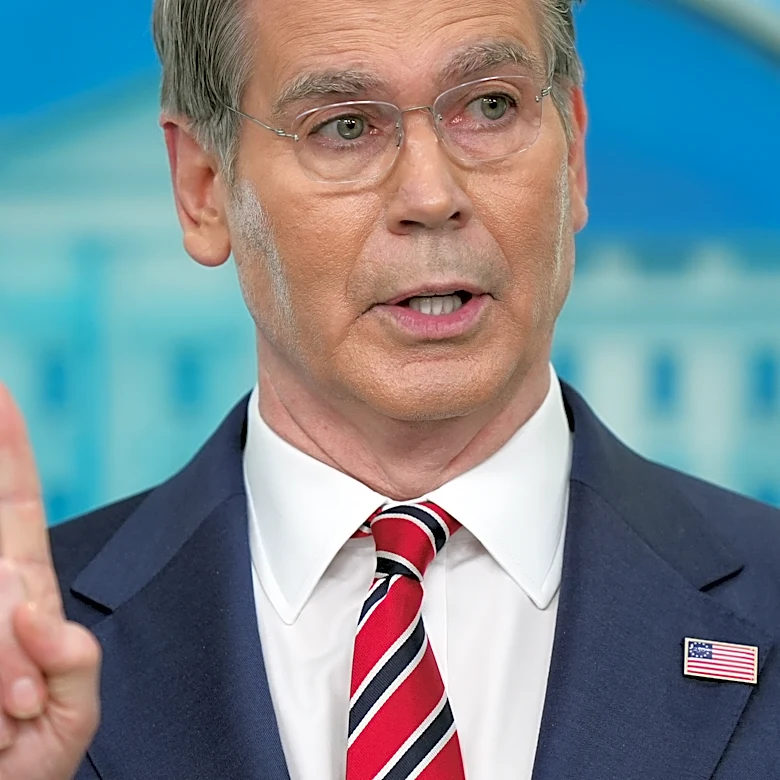





What's Happening?
The White House has refuted reports claiming that the United States formally requested an extension of its ceasefire with Iran. White House spokeswoman Karoline Leavitt clarified that while negotiations are ongoing, no formal request for extension has been
made. Talks are expected to resume in Islamabad, where previous negotiations took place. The ceasefire, set to expire next week, has been a focal point of diplomatic efforts to de-escalate tensions in the region. Despite reports suggesting a possible two-week extension, no official agreement has been reached. The situation remains complex, with Iran signaling a potential ceasefire in southern Lebanon, which Israel has denied. The U.S. continues to push for broader de-escalation, including a pause in Lebanon, amidst ongoing military operations by Israel against Hezbollah.
Why It's Important?
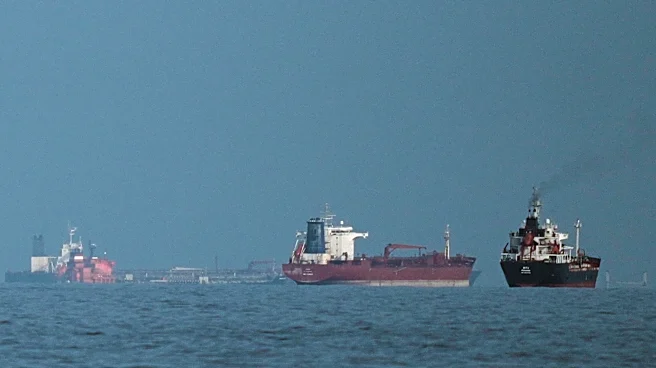
The denial of a formal request for ceasefire extension underscores the delicate nature of U.S.-Iran relations and the broader geopolitical dynamics in the Middle East. The ongoing negotiations are crucial in preventing further escalation and maintaining regional stability. The involvement of Pakistan as a mediator highlights the international dimension of these talks, with potential implications for global diplomacy. The unresolved issues, such as Iran's nuclear program and the status of the Strait of Hormuz, remain significant hurdles. The outcome of these negotiations could influence U.S. foreign policy and impact international relations, particularly concerning security and economic interests in the region.