



What's Happening?
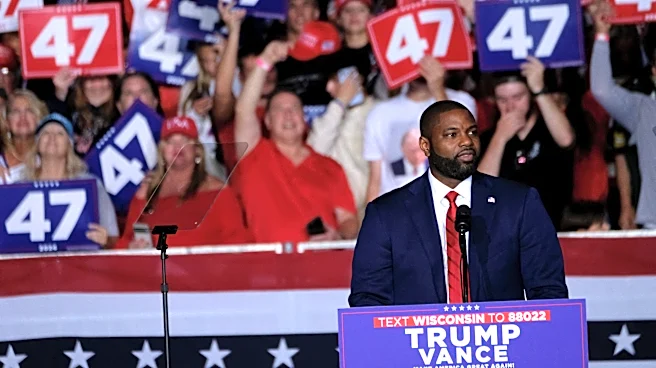
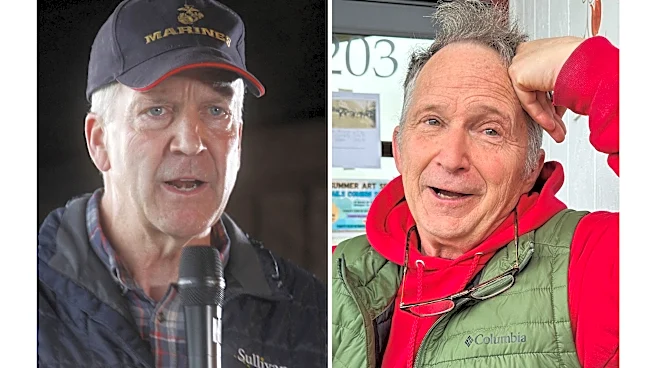
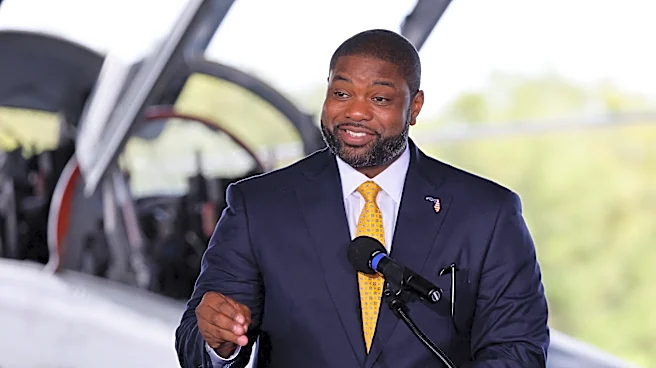
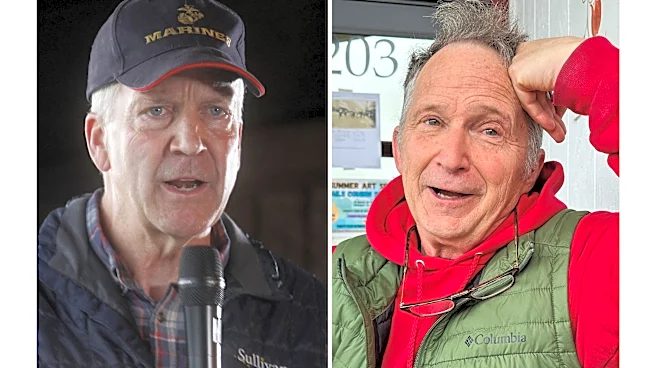
Republican Byron Donalds and Democrat David Jolly have won their respective party nominations for the Florida gubernatorial race. Donalds secured the Republican nomination, while Jolly earned the Democratic nomination. They will now face each other in the general
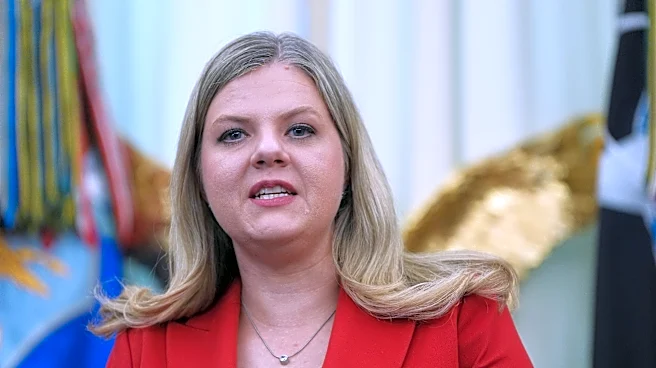
election scheduled for Tuesday, November 3, 2026. The current Governor, Ron DeSantis, will complete his second term in January 2027 and is unable to run again due to term limits. Donalds, a current U.S. Congressman for Florida's 19th congressional district, previously served in the Florida House of Representatives. He has received an endorsement from President Trump. Jolly, who previously served in the U.S. House of Representatives as a Republican, left the party to join the Democrats before announcing his candidacy for governor. He has named Gwen Graham, former representative for Florida’s 2nd Congressional District, as his running mate.
Why It's Important?
This gubernatorial race is significant for Florida's political landscape, as it will determine the state's leadership for the next term following Governor DeSantis's departure. The contest between Donalds, a Republican endorsed by President Trump, and Jolly, a former Republican turned Democrat, highlights a potential ideological battle for the state's future. Donalds' platform emphasizes continuing the 'Make America Great Again' agenda, fighting illegal immigration, expanding economic opportunity, and preserving the environment. Jolly and Graham are focusing on affordable healthcare, reducing gun violence, restoring veteran services, and addressing the state's affordability crisis through expanded access to housing, healthcare, and education. The outcome will influence policy decisions across various sectors, impacting Floridians' daily lives and potentially setting a precedent for future elections in a key swing state.
What's Next?
The general election between Byron Donalds and David Jolly is set for November 3, 2026. Leading up to this date, key deadlines include October 5 for voter registration, October 22 to request a vote-by-mail ballot, and an early voting period from October 24-31. Both candidates are expected to intensify their campaigns, focusing on their core issues and attempting to sway undecided voters. Donalds will likely continue to leverage his endorsement from President Trump and his focus on conservative principles, while Jolly will aim to appeal to a broader base with his emphasis on affordability and social issues. The next 77 days will be crucial for both campaigns as they work to mobilize their supporters and articulate their visions for Florida's future.
Beyond the Headlines
The dynamic between Byron Donalds and David Jolly represents a broader trend in U.S. politics, where party affiliations can shift, and candidates from different ideological backgrounds compete for leadership. Jolly's transition from Republican to Democrat underscores the evolving political landscape and the potential for individuals to realign their political identities based on changing priorities or principles. This race could also serve as a barometer for the influence of President Trump's endorsements in state-level elections, particularly in a state as politically diverse as Florida. Furthermore, the focus on issues like affordability, healthcare, and education reflects persistent concerns among the electorate, regardless of party affiliation, indicating that candidates who effectively address these issues may gain a significant advantage.