
What's Happening?
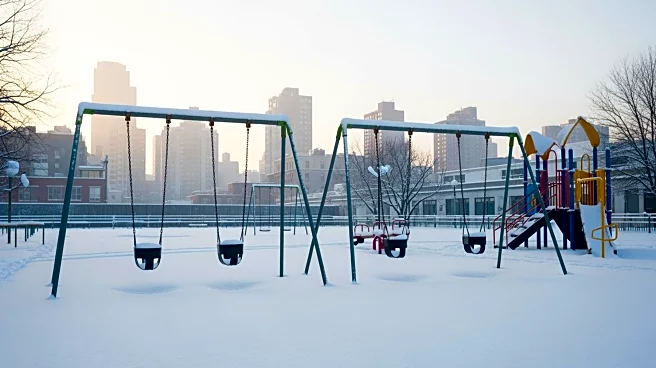
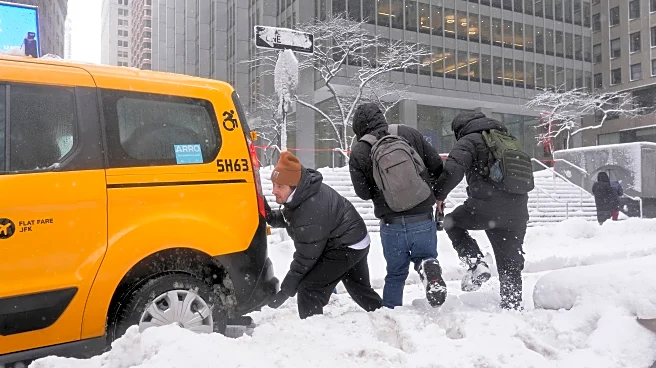
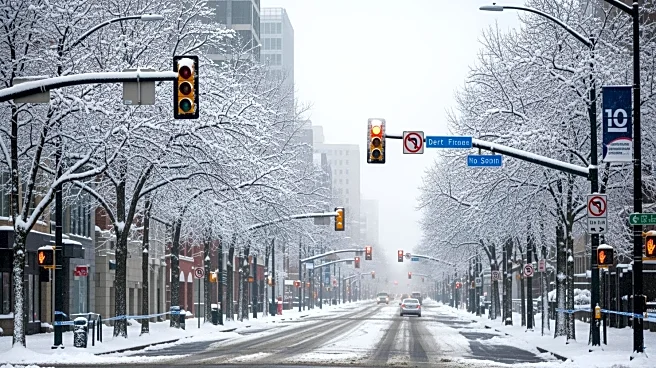
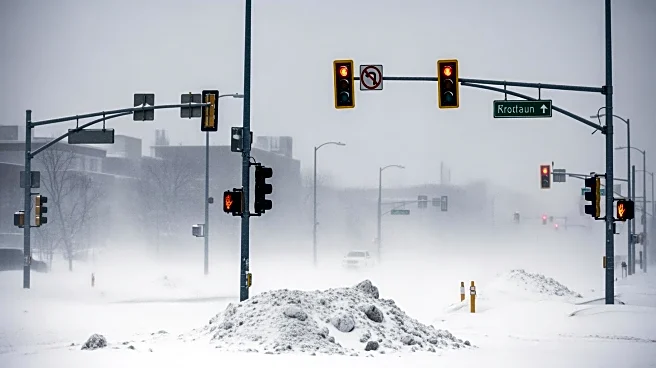
Following a historic blizzard that brought the northeastern U.S. to a standstill, New York City schools have reopened. The storm, which recorded 19.7 inches of snow in Central Park, is among the top ten snowstorms in the city's history. The Long Island
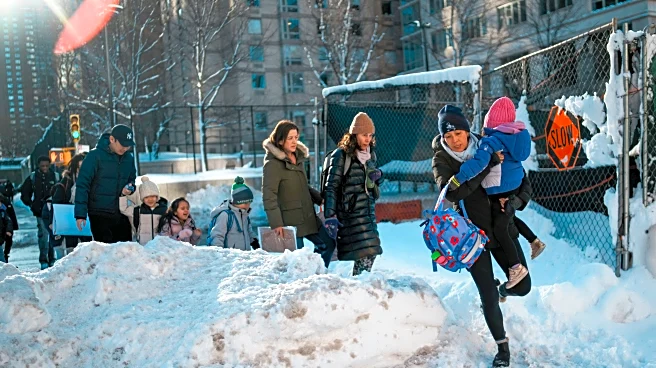
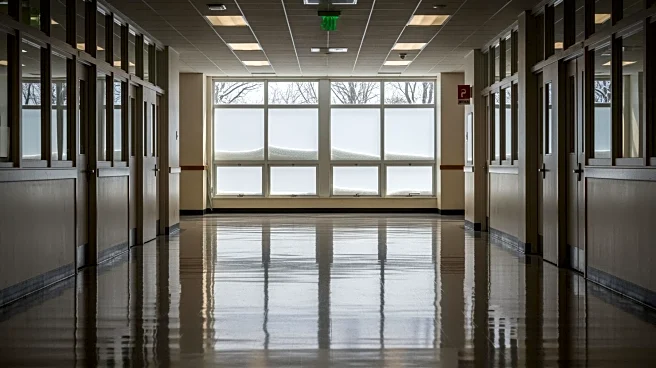
town of Islip reported the highest snowfall with 31 inches. Despite the severe weather, NYC Mayor Zohran Mamdani decided to reopen schools, a decision met with mixed reactions. Some officials and educators expressed concerns about the feasibility of reopening, given the snow-covered streets and potential travel difficulties. The storm also caused significant disruptions to public transportation, with some services still affected.
Why It's Important?
The decision to reopen schools highlights the challenges of balancing educational needs with safety concerns during extreme weather events. The reopening has implications for students, parents, and educators, affecting attendance and school operations. The storm's impact on transportation and infrastructure underscores the need for effective emergency response and recovery plans. The situation also raises questions about the preparedness of urban areas to handle severe weather and the importance of clear communication and coordination among city officials, schools, and the public.
What's Next?
As cleanup efforts continue, authorities are monitoring weather forecasts for potential additional snowfall. The focus remains on ensuring safe travel and restoring normalcy. The situation requires ongoing assessment and adaptation of emergency plans to address future weather challenges. Stakeholders, including city officials, educators, and transportation agencies, will need to collaborate to address the storm's aftermath and prepare for similar events in the future.