







What's Happening?
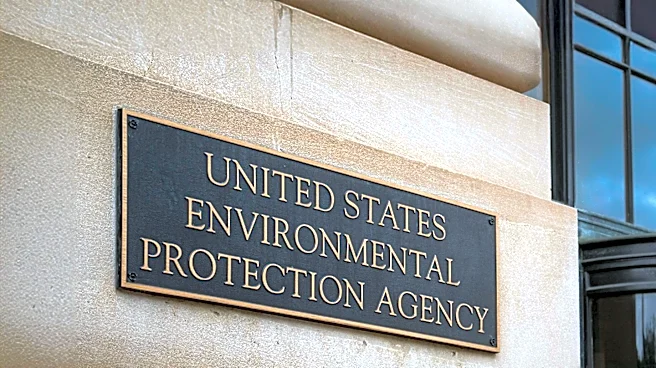
A recent analysis highlights the challenges faced by federal employees, particularly probationary ones, in contesting dismissals related to speech activities. The Environmental Protection Agency (EPA) recently placed over 140 employees on administrative
leave, with 20 eventually fired, following their participation in a public dissent letter. This action has led to two pending federal lawsuits. The analysis underscores that while federal employees retain First Amendment protections for off-duty speech on public matters, probationary employees have limited recourse due to the lack of standard Merit Systems Protection Board (MSPB) appeal rights. The Hatch Act restricts partisan activities but not policy criticism or issue advocacy. Legal remedies for speech-related dismissals are primarily administrative, involving the Office of Special Counsel (OSC) and Equal Employment Opportunity (EEO) processes.
Why It's Important?
This situation underscores the precarious position of probationary federal employees who engage in speech activities. The lack of MSPB appeal rights means these employees must rely on administrative remedies, which can be less effective. The EPA case illustrates the potential for agencies to retaliate against employees for protected speech, raising concerns about the balance between employee rights and agency operations. The broader implications affect federal workforce morale and the willingness of employees to engage in public discourse. The legal landscape, shaped by cases like Egbert v. Boule, limits the ability to seek damages, emphasizing the need for clear administrative processes to protect employee rights.
What's Next?
The pending lawsuits against the EPA could set precedents for how similar cases are handled in the future. If the courts rule in favor of the employees, it may encourage more federal workers to challenge dismissals related to speech activities. Agencies might also review their policies to ensure compliance with First Amendment protections. Additionally, there could be increased advocacy for legislative changes to strengthen protections for probationary employees, potentially expanding their rights to appeal dismissals.