


What's Happening?
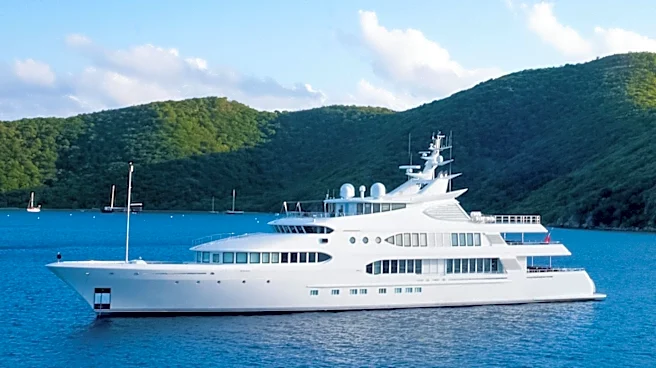
Mark Zuckerberg's yacht, Launchpad, did not respond to a call for assistance from a skiff that ran out of fuel off the coast of Alaska. A spokesperson for Zuckerberg stated that the yacht was on a different radio channel and did not hear the call. By
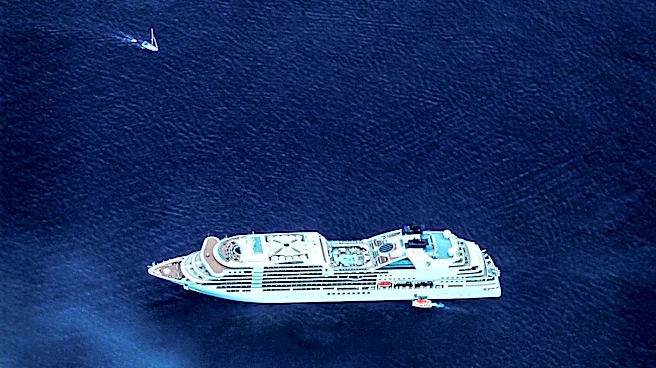
the time the crew became aware, another ship, the Wilderness Legacy, had already provided assistance. Zuckerberg and his family were not on board at the time. The incident has led to widespread criticism, with some accusing the yacht's crew of failing to comply with maritime assistance obligations.
Why It's Important?
The incident involving Zuckerberg's yacht highlights the critical role of communication in maritime safety and the expectations placed on high-profile individuals to adhere to international protocols. The public backlash reflects broader concerns about accountability and responsibility in emergency situations. This event may prompt discussions on improving maritime communication systems and ensuring that all vessels are equipped to respond to assistance calls effectively. The situation also underscores the importance of maintaining public trust and the potential reputational risks for individuals and companies involved in such incidents.
What's Next?
In light of the criticism, there may be increased focus on ensuring that private yachts and other vessels comply with maritime safety regulations. This could lead to the development of new technologies or protocols to enhance communication and response capabilities. The incident may also influence how high-profile individuals manage their assets and respond to emergencies, potentially leading to more proactive measures to ensure compliance and safety. Additionally, the public reaction may drive discussions on the broader implications of maritime safety and the responsibilities of vessel operators.