








What's Happening?
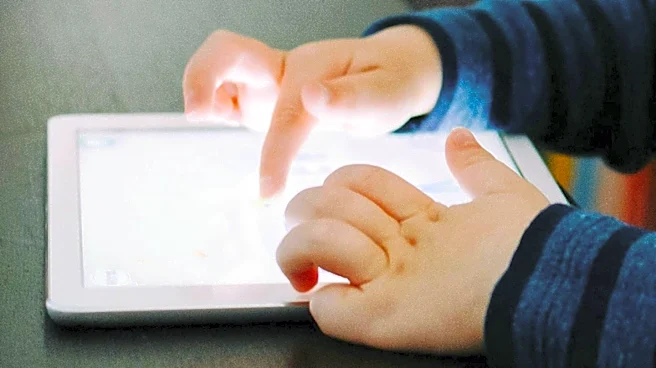
Seattle Public Schools (SPS) has announced a new district-wide policy to curb screen time for its youngest students. Starting in January, kindergarten through second-grade students will no longer be assigned individual iPads and will be limited to a maximum
of 30 minutes of screen time per day in class. Superintendent Ben Shuldiner stated that there is no reason for kindergarteners to have iPads daily. Technology use in classrooms will be held to a 'high bar,' meaning only activities specifically part of the academic curriculum will be allowed, with some days having no screen time at all. Mike Starosky, assistant superintendent of academics, emphasized that technology should foster creativity and collaboration while protecting essential learning away from screens. This policy aims to correct an overreliance on technology that emerged during the COVID-19 pandemic, as research suggests apps are less effective for reading and math than physical materials.
Why It's Important?
This policy shift by Seattle Public Schools is significant for U.S. education, reflecting a growing national conversation about the role and impact of technology in early childhood learning. It challenges the widespread adoption of individual devices in classrooms, a trend accelerated by remote learning during the pandemic. The decision highlights concerns among educators and parents about potential negative effects of excessive screen time on young children's development, including academic proficiency, social interaction, and overall well-being. By prioritizing traditional learning methods and intentional technology use, SPS is setting a precedent that other districts might consider, potentially influencing curriculum development and technology procurement across the country. This move could lead to a re-evaluation of educational technology investments and a greater emphasis on balanced learning environments.
What's Next?
The implementation of this new screen time policy in Seattle Public Schools will be closely monitored for its effects on student engagement, academic performance, and overall well-being. Superintendent Shuldiner indicated that if successful, similar restrictions might be extended to older grades by the end of the school year, though these would be more complex to craft due to varying learning needs. The district plans to work with students who have technology needs at home on a case-by-case basis to ensure access. This initiative could spark further research into the optimal balance of screen time and traditional learning in schools. Other school districts nationwide may observe Seattle's experience and consider adopting similar policies, potentially leading to a broader re-evaluation of educational technology strategies.
Beyond the Headlines
The Seattle Public Schools' decision to limit screen time for young students touches upon deeper societal questions regarding the pervasive influence of technology on child development and education. It reflects a growing awareness of the potential downsides of digital immersion, such as impacts on attention spans, critical thinking, and social-emotional skills. This policy is not merely about reducing screen time but about redefining the purpose and integration of technology in learning environments. It encourages a return to foundational educational practices that emphasize hands-on learning, direct interaction, and critical engagement with physical materials. This shift could foster a generation of students with stronger foundational skills and a more balanced relationship with technology, potentially influencing future workforce capabilities and societal norms around digital consumption.