





What's Happening?
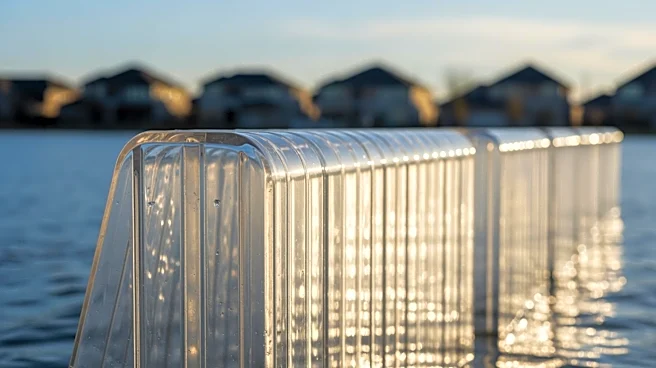
The National Association of Mutual Insurance Companies (NAMIC) has presented a compelling case to the House Financial Services Subcommittee on Housing and Insurance, advocating for federal investment in flood mitigation projects. NAMIC's testimony emphasized
the importance of proactive measures such as elevating homes, improving drainage systems, and reinforcing infrastructure to prevent flood damage. The association highlighted the '1-to-13' rule, which suggests that for every dollar invested in loss prevention, taxpayers and homeowners can save up to thirteen dollars in future losses. This approach aims to shift the focus from post-disaster recovery to preemptive action, potentially reducing the financial burden on insurance companies and homeowners alike.
Why It's Important?
Flooding is a persistent issue across the United States, causing significant damage to properties and financial strain on homeowners and insurance companies. By investing in flood-proofing measures, the government can help mitigate these impacts, making insurance more affordable and reducing the need for costly payouts after disasters. This proactive strategy could lead to substantial savings for taxpayers and homeowners, while also preserving the integrity of communities prone to flooding. The insurance industry stands to benefit from reduced claims and improved financial stability, which could translate into lower premiums and more accessible coverage for consumers.
What's Next?
If Congress acts on NAMIC's recommendations, it could lead to increased funding for flood mitigation projects nationwide. This would involve collaboration between federal, state, and local governments to implement effective strategies tailored to specific regions. Stakeholders, including insurance companies, homeowners, and policymakers, will likely engage in discussions to prioritize areas most in need of intervention. The success of these initiatives could set a precedent for addressing other climate-related challenges through similar preventive measures.