


What's Happening?
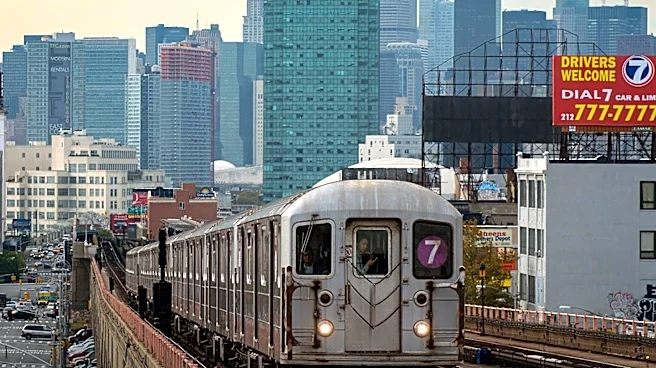
Moet McCullum, a 41-year-old New York City Transit employee and mother of three, was killed by a southbound D train on the Bronx subway tracks late Thursday night. The incident occurred shortly after 11:30 p.m. between 167th St. and 161st St. along the D line
in Highbridge. McCullum was preparing to set up flagging lights, which warn oncoming trains of a work crew's presence, when she was struck. According to transit sources, the D train operator reported not seeing any such lights before the collision. McCullum was transported to Lincoln Hospital, where she later died. The National Transportation Safety Board (NTSB) has announced it is sending a team to New York to investigate the death.
Why It's Important?
This tragic death underscores the extreme hazards faced by MTA track workers, particularly those involved in 'flagging' operations, which are considered among the most dangerous tasks in subway maintenance. It highlights critical safety concerns within the New York City transit system, especially regarding worker protection in live service environments. The incident will likely intensify scrutiny on MTA's safety protocols, training, and equipment, particularly after a 2024 Federal Transit Administration assessment criticized the agency's safety procedures. The death of a worker with only 11 months on the job also raises questions about the adequacy of training and supervision for new employees in high-risk roles. This event impacts not only the victim's family but also the morale and safety perceptions of all transit workers.
What's Next?
The NTSB's investigation will be crucial in determining the root causes of this accident, including whether proper flagging procedures were followed, if equipment malfunctioned, or if there were any operational lapses. NYC Transit President Demetrius Crichlow and Transport Workers Union Local 100 head John Chiarello have both emphasized the commitment to finding the cause and ensuring employee safety. The investigation's findings could lead to significant changes in MTA safety policies, training programs, and potentially the implementation of new technologies to enhance worker protection. There will likely be increased pressure from the union and public for immediate and effective safety improvements to prevent future fatalities in this inherently dangerous work environment.
Beyond the Headlines
This incident brings to the forefront the broader issue of occupational safety in hazardous industries and the human cost of maintaining essential public infrastructure. The emotional toll on the train crew involved, who will be traumatized by the event, is also a significant, often overlooked, consequence. The death of Moet McCullum, a mother of three, highlights the profound personal impact of workplace accidents on families and communities. It also reignites the debate about the balance between operational efficiency and worker safety in a 24/7 transit system. The ongoing challenges of ensuring worker safety in a complex, aging subway system will likely remain a critical point of discussion for transit authorities, unions, and regulatory bodies.