








What's Happening?
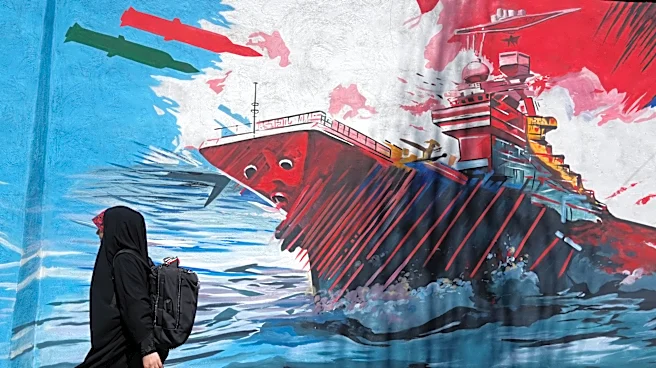
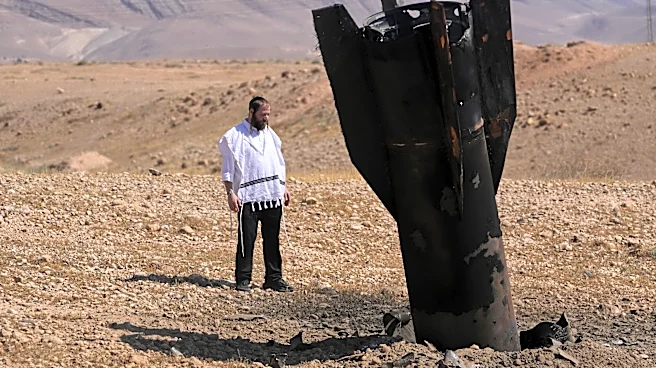
Hostilities between the U.S. and Iran have escalated, with both nations exchanging military strikes. The U.S. launched airstrikes targeting Iranian military sites, while Iran retaliated with attacks on Kuwait and Bahrain. The conflict has intensified
following the shooting down of a U.S. helicopter by Iran. Efforts to negotiate a ceasefire have stalled, with Iran maintaining control over the strategic Strait of Hormuz. The situation is further complicated by Israel's attacks on Hezbollah in Lebanon, adding another layer of tension to the region.
Why It's Important?
The ongoing conflict poses significant risks to regional stability and global economic interests. The Strait of Hormuz is a critical chokepoint for global oil shipments, and any disruption could have far-reaching economic consequences. The involvement of multiple countries in the conflict increases the potential for a broader regional war, which could further destabilize the Middle East. The situation also highlights the challenges of diplomatic negotiations in resolving complex geopolitical conflicts.
What's Next?
The international community may need to intervene to facilitate diplomatic negotiations and prevent further escalation. The U.S. and Iran are likely to continue their military posturing, with potential implications for regional security and global energy markets. The situation requires careful monitoring to prevent a full-scale war and to protect civilian populations in the affected areas.