



What's Happening?
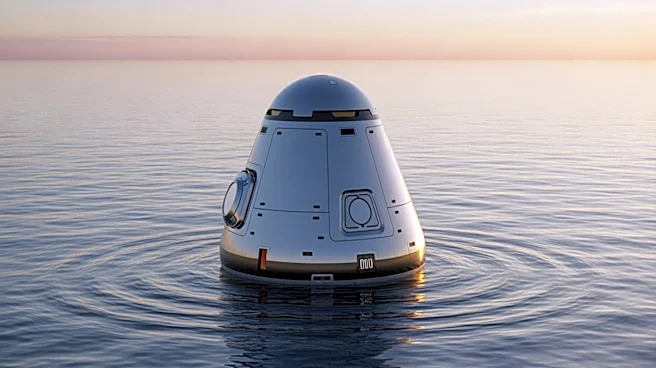
The Lockheed Martin-built Orion spacecraft has successfully completed NASA's Artemis II mission, marking a major milestone in deep space exploration. The spacecraft carried a four-person crew on a 10-day journey around the Moon, demonstrating its ability
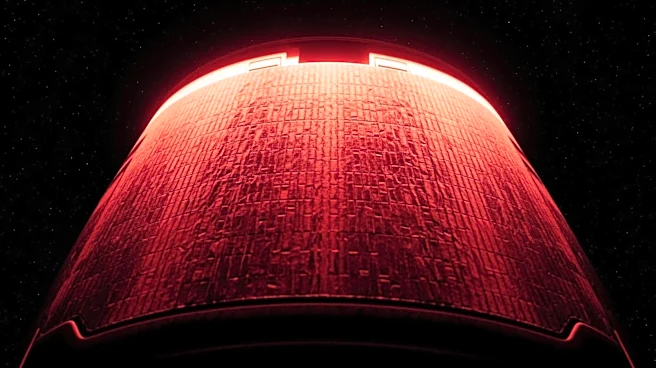
to safely transport astronauts beyond low-Earth orbit. The mission involved critical system evaluations and set a record for the farthest human spaceflight from Earth. Orion's performance during re-entry, including its heat shield and parachute system, ensured a safe landing in the Pacific Ocean.
Why It's Important?
The successful completion of Artemis II validates the capabilities of the Orion spacecraft and sets the stage for future lunar exploration. The mission demonstrated the technology and systems needed for sustained human presence on the Moon, paving the way for Artemis III, which will involve docking with NASA's Human Landing System. Lockheed Martin's role as the prime contractor for Orion highlights the importance of industry collaboration in advancing space exploration. The mission also underscores the significance of international partnerships in achieving NASA's long-term goals for human exploration of Mars.
What's Next?
Following the success of Artemis II, NASA is now focusing on Artemis III, which will test docking capabilities with commercial lunar landers. This mission will be crucial for landing astronauts on the Moon and establishing a lunar base. Lockheed Martin continues to work alongside NASA and its partners to enable sustainable lunar exploration and support the agency's long-term goals for human exploration of Mars. The success of Artemis II has set the stage for these ambitious plans, and preparations are underway for the next steps in the Artemis program.