



What's Happening?
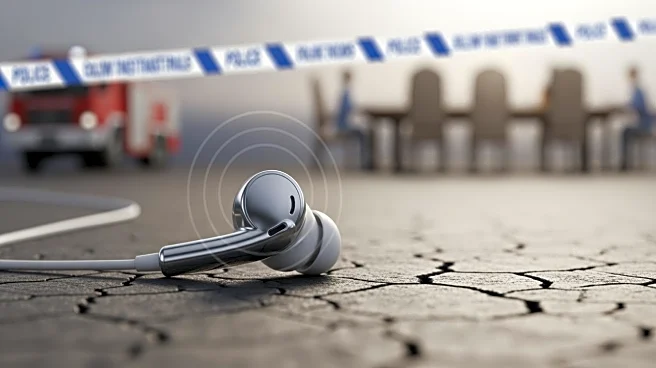
Research from the University of Colorado Anschutz reveals that individuals with chronic back pain process everyday sounds more intensely than those without pain. This study, published in the Annals of Neurology, is among the first to connect sound hypersensitivity
to specific brain changes, indicating that chronic back pain affects more than just the back. The research highlights that chronic pain leads to a 'sensory amplification' in the brain, making sounds feel more intense. Pain Reprocessing Therapy (PRT) was identified as an effective treatment, reducing pain and normalizing the brain's response to sound.
Why It's Important?
This study underscores the complex nature of chronic pain, showing that it is not limited to physical symptoms but also involves significant neurological changes. The findings suggest that chronic pain management should consider these broader sensory impacts. The success of Pain Reprocessing Therapy in reducing sound sensitivity and pain highlights the potential for psychological treatments to address chronic pain. This could lead to more comprehensive treatment plans that incorporate both physical and psychological therapies, improving outcomes for patients with chronic pain.
What's Next?
Future research will explore whether this heightened sensitivity extends to other senses, such as light, smell, or taste, and whether similar brain changes occur in other chronic pain conditions. Understanding these mechanisms could lead to new therapeutic approaches and improve the quality of life for those affected by chronic pain. The study also raises questions about whether this sensitivity is a pre-existing vulnerability or a result of chronic pain, which could influence prevention strategies.