






What's Happening?
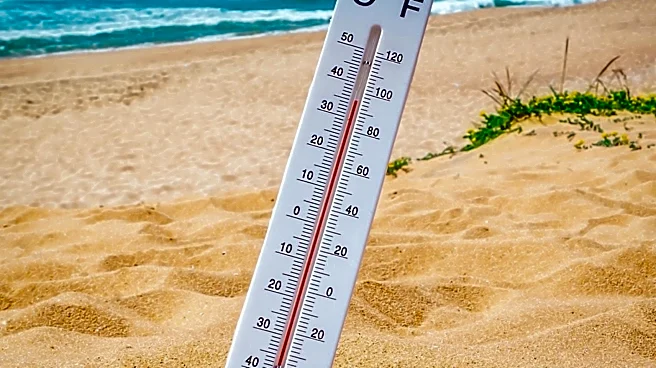
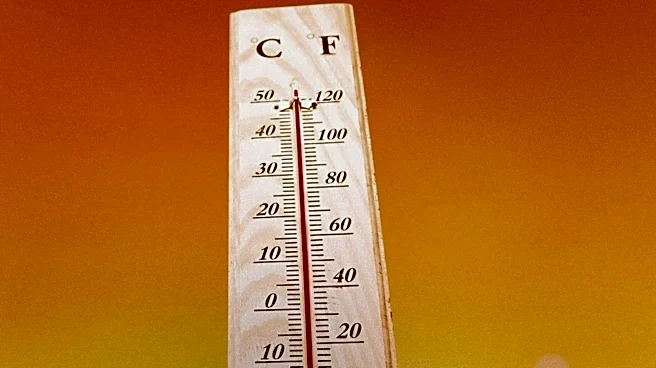
Wyoming experienced its hottest July on record, with temperatures reaching unprecedented levels across the state. According to Cowboy State Daily, meteorologist Don Day noted the remarkable consistency and intensity of the heat, particularly in northern
and northeastern Wyoming. Several communities, including Big Piney, Buffalo, Casper, Lander, Riverton, Rock Springs, and Worland, set or tied records for the hottest July. The National Weather Service reported that Riverton experienced six days with temperatures over 100 degrees, significantly above the historical average. The heat wave was attributed to a high-pressure ridge over northeast Wyoming, which, combined with high humidity, prevented significant rainfall despite the presence of moisture. The ongoing heat is expected to continue into August, with no immediate relief in sight.
Why It's Important?
The record-breaking heat in Wyoming highlights the increasing frequency and intensity of extreme weather events, which can have significant implications for agriculture, water resources, and public health. Prolonged heat waves can lead to drought conditions, affecting crop yields and water availability. Additionally, high temperatures can exacerbate health issues, particularly for vulnerable populations such as the elderly and those with pre-existing conditions. The situation underscores the need for adaptive strategies to manage the impacts of climate change, including improved water management and public health preparedness. The economic and social costs of such extreme weather events are likely to increase if current trends continue.
What's Next?
As Wyoming continues to experience high temperatures, state and local authorities may need to implement measures to mitigate the impacts of the heat wave. This could include issuing heat advisories, providing cooling centers for residents, and ensuring adequate water supply for agricultural and domestic use. Meteorologists predict that the first half of August will remain hot, with potential for some relief in the latter part of the month as days shorten and temperatures naturally begin to decline. However, the persistence of high-pressure systems could prolong the heat, necessitating ongoing monitoring and response efforts.