
What's Happening?
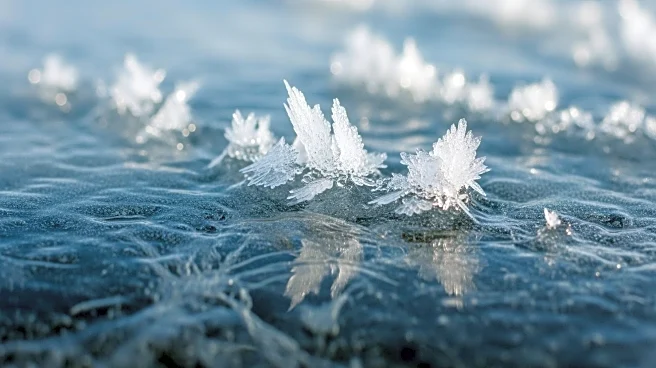
Scientists have raised alarms about the rapid loss of sea ice and its impact on polar ecosystems. The melting ice is affecting the microalgae that form the base of the polar food chain, which in turn threatens species higher up the chain. As sea ice melts,
more sunlight penetrates the water, altering the nutritional value of these algae. This change affects krill and zooplankton, which are crucial for the survival of fish populations. The research highlights the broader implications of these changes, including potential disruptions to global food systems and weather patterns.
Why It's Important?
The degradation of polar ecosystems has far-reaching consequences beyond the poles. Polar fisheries are vital for global food supply, and changes in these ecosystems could lead to reduced seafood availability, impacting both local communities and international markets. Additionally, the melting ice contributes to rising sea levels, which can exacerbate coastal flooding and disrupt weather patterns. These environmental changes pose significant challenges for global food security and climate stability, underscoring the need for urgent action to address climate change.
What's Next?
Ongoing research and monitoring by scientists and government agencies aim to better understand and mitigate the impacts of these changes. Efforts include tracking glacier mass and issuing warnings about melt trends. Public awareness and engagement in climate issues are also crucial for driving policy changes and encouraging sustainable practices. The situation calls for coordinated global efforts to address the root causes of climate change and protect vulnerable ecosystems.