
What's Happening?
On January 20, 2026, large parts of the United States are experiencing a severe cold wave, impacting daily life and economic activities. Concurrently, the stock market is witnessing a significant downturn
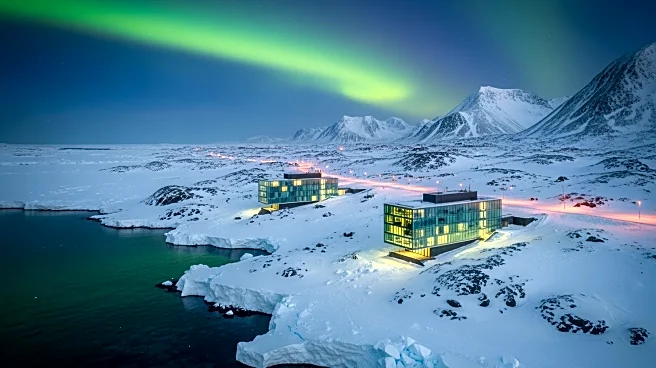
due to fears surrounding potential tariffs. These concerns have been exacerbated by President Trump's expressed interest in acquiring Greenland, which has led to geopolitical tensions and economic uncertainty. The situation is further complicated by the recent pardons of January 6 rioters, which continue to stir public and political discourse one year after the pardons were issued.
Why It's Important?
The combination of extreme weather and economic instability poses a dual challenge for the U.S. The cold wave is likely to strain energy resources and disrupt transportation, while the stock market's reaction to tariff fears could have broader implications for the U.S. economy. President Trump's interest in Greenland has introduced new geopolitical dynamics, potentially affecting international relations and trade policies. The pardons of January 6 rioters remain a contentious issue, reflecting ongoing divisions within the country and impacting public trust in the justice system.
What's Next?
As the cold wave continues, there will be increased pressure on local and federal agencies to manage energy supplies and ensure public safety. Economically, stakeholders will be closely monitoring any developments related to tariffs and international trade agreements. The geopolitical implications of President Trump's Greenland interest may prompt diplomatic discussions or actions from other nations. Domestically, the anniversary of the January 6 pardons may lead to renewed debates and legislative actions concerning accountability and justice reform.
Beyond the Headlines
The current events highlight the interconnectedness of climate, economy, and politics. The cold wave underscores the need for robust infrastructure and emergency preparedness in the face of extreme weather. The stock market's volatility reflects the sensitivity of global markets to political decisions and international relations. The pardons of January 6 rioters continue to influence the national conversation on democracy and governance, potentially affecting future electoral and judicial processes.