






What's Happening?
The American College of Cardiology (ACC) has released a Scientific Statement emphasizing that overall dietary patterns, rather than individual nutrients, are crucial for maintaining heart health. Published in JACC, the ACC's flagship journal, the statement
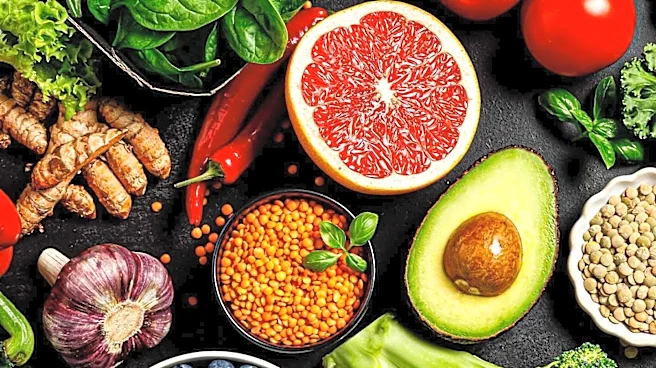
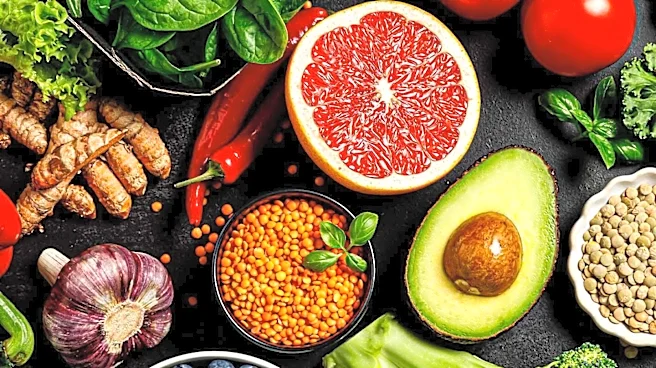
highlights the importance of minimally processed plant-based foods, healthy fats, and proteins. Conversely, it advises limiting foods high in refined starches, added sugars, sodium, unhealthy fats, and highly processed items of poor nutritional quality. The ACC's recommendations underscore a shift from nutrient-centric approaches to more holistic, food- and pattern-based strategies in understanding the complex relationship between diet and cardiometabolic health. This includes conditions like cardiovascular disease (CVD), diabetes, obesity, and chronic kidney disease. The statement also addresses the role of food security, encompassing the availability, affordability, accessibility, and utilization of nutritious foods, as a significant factor affecting diet quality.
Why It's Important?
This Scientific Statement from the American College of Cardiology is important because it provides updated, comprehensive guidance on dietary strategies for preventing and managing cardiovascular disease, a leading cause of mortality and morbidity in the U.S. By shifting the focus from isolated nutrients to overall dietary patterns, the ACC aims to offer more practical and effective recommendations for both clinicians and the public. The emphasis on plant-forward eating, lower sodium intake, and limiting highly processed foods could influence public health campaigns, dietary guidelines, and food industry practices. Furthermore, acknowledging the impact of food security on diet quality highlights a broader societal challenge, suggesting that addressing cardiovascular health requires not only individual dietary changes but also systemic improvements in food access and affordability. This could lead to increased advocacy for policies that support healthier food environments and reduce health disparities.
What's Next?
The ACC's Scientific Statement is expected to inform future clinical practices and patient discussions regarding diet and heart health. Healthcare providers will likely integrate these recommendations into their counseling for patients at risk of or living with cardiovascular conditions. The statement's support for 'Food Is Medicine' programs, which provide nutritious food as clinical interventions, suggests a potential increase in the integration of such programs into healthcare systems. This could lead to new partnerships between healthcare organizations, community food programs, and policymakers to develop sustainable approaches for improving diet quality across diverse settings. Additionally, the focus on overall diet quality and the limitation of highly processed foods may prompt food manufacturers to reformulate products or increase the availability of healthier options to align with evolving health recommendations and consumer demand.
Beyond the Headlines
Beyond the immediate clinical implications, the ACC's statement touches upon deeper societal and economic dimensions. The recognition that cardiovascular risk is less about macronutrient percentages and more about overall nutrition quality and food processing challenges long-held dietary paradigms. This could lead to a re-evaluation of how food is produced, marketed, and consumed in the U.S., potentially influencing agricultural policies and food subsidies. The emphasis on food security also highlights the ethical imperative to ensure equitable access to healthy food, exposing the systemic inequalities that contribute to poor health outcomes. This broader perspective suggests that achieving optimal heart health for the nation requires not just individual responsibility but also collective action to create a food system that supports health for all, addressing issues of poverty, food deserts, and the affordability of nutritious options.