



What's Happening?
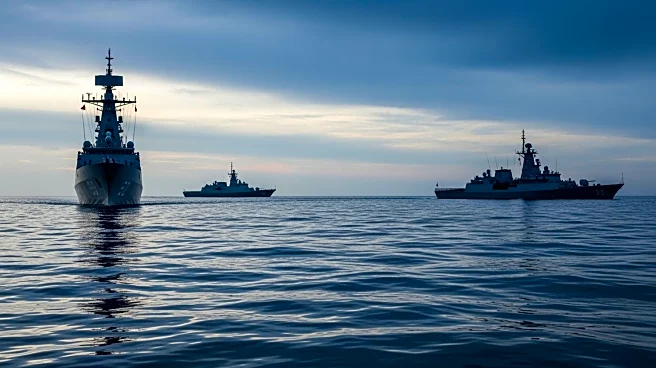
The Philippine Navy has confirmed that a Chinese corvette engaged its fire control radar against a Philippine frigate, marking a significant escalation in the South China Sea. The incident occurred when the BRP Miguel Malvar was conducting a routine patrol
near Sabina Shoal. A Chinese vessel directed its sensor toward the Philippine ship, prompting the Philippine Navy to issue a radio challenge. The Chinese vessel subsequently deactivated its radar. This confrontation is part of a broader pattern of aggressive actions by Chinese ships in the region, including the use of water cannons and lasers to impede Philippine vessels.
Why It's Important?
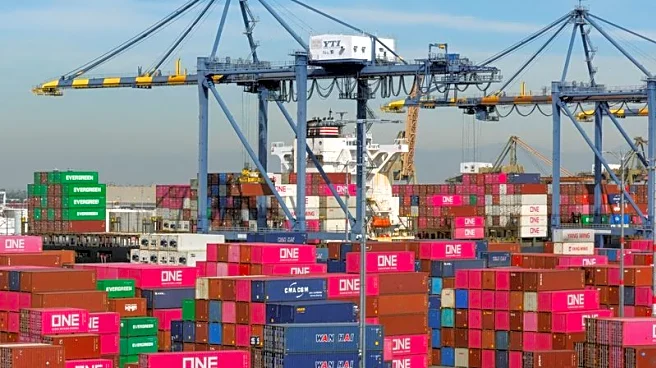
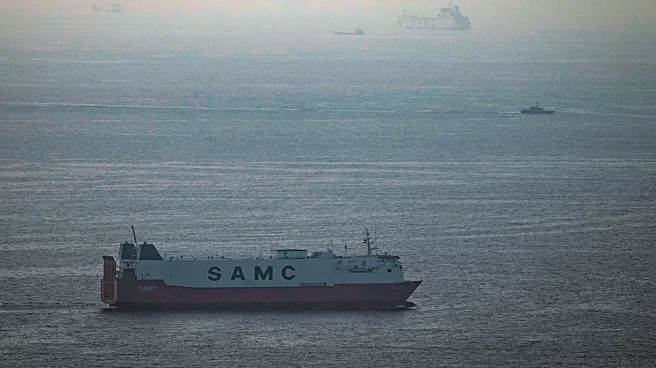
This incident underscores the ongoing tensions in the South China Sea, a critical maritime region with significant geopolitical implications. China's assertive actions in the area challenge the sovereignty of neighboring countries and threaten regional stability. The South China Sea is a vital trade route, and any escalation could disrupt global shipping and economic activities. The incident also highlights the challenges faced by the Philippines and other Southeast Asian nations in asserting their territorial claims against a more powerful China. The international community, including the United States, has a vested interest in maintaining freedom of navigation and upholding international law in the region.
What's Next?
The Philippine Navy is expected to continue its patrols in the contested waters, maintaining a stance of restraint while adhering to international law. The incident may prompt diplomatic engagements between the Philippines and China, as well as discussions with international allies. The situation could also influence regional security dynamics, with countries like Japan and the United States potentially increasing their presence in the area to deter further aggression. The ongoing tensions may lead to calls for multilateral negotiations to address territorial disputes and establish mechanisms for conflict resolution.