
What's Happening?
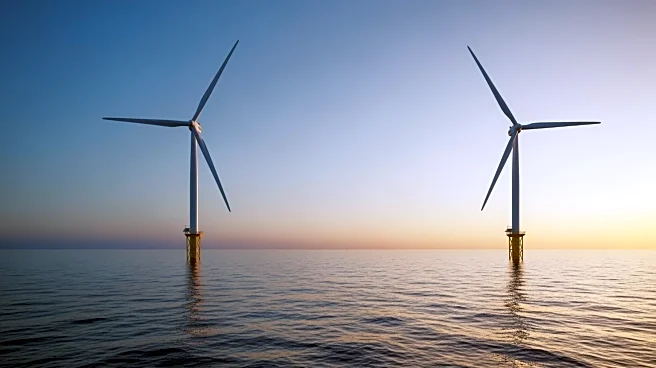
The Trump administration has announced a pause on leases for five major offshore wind projects along the East Coast, citing national security risks identified by the Pentagon. This decision affects projects in Massachusetts,
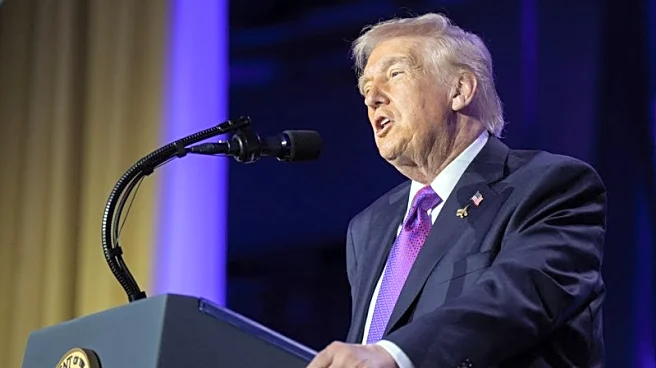
Rhode Island, Connecticut, Virginia, and New York. The pause follows a recent federal court ruling that struck down President Trump's executive order blocking wind energy projects, labeling it unlawful. The Interior Department, responsible for overseeing offshore wind, will collaborate with the Defense Department to assess and mitigate potential security risks. Critics argue that this move undermines clean energy efforts and threatens jobs, while supporters of the pause emphasize the need to address security vulnerabilities associated with large-scale offshore wind projects.
Why It's Important?
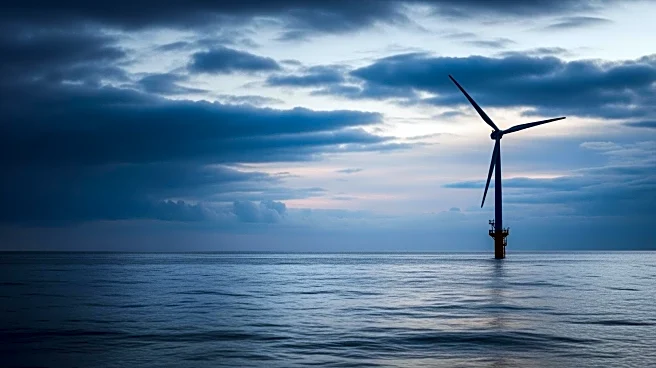
The decision to pause these offshore wind projects has significant implications for the U.S. energy sector, particularly the renewable energy industry. Offshore wind is a critical component of the country's strategy to diversify its energy sources and reduce reliance on fossil fuels. The pause could delay the development of clean, affordable energy, impacting efforts to meet increasing electricity demands. Additionally, the move may affect job creation in the renewable energy sector and hinder progress towards energy independence. The administration's actions highlight ongoing tensions between national security considerations and environmental goals, with potential long-term effects on U.S. energy policy and climate change initiatives.
What's Next?
The Interior Department will work with the Defense Department and other agencies to evaluate the security risks posed by the offshore wind projects. This assessment could lead to modifications in project plans or additional security measures. Meanwhile, legal challenges from environmental groups and state attorneys general are likely to continue, as they argue that the administration's actions are illegal and detrimental to clean energy development. The outcome of these legal battles and the administration's security assessment will shape the future of offshore wind projects and the broader renewable energy landscape in the U.S.