







What's Happening?
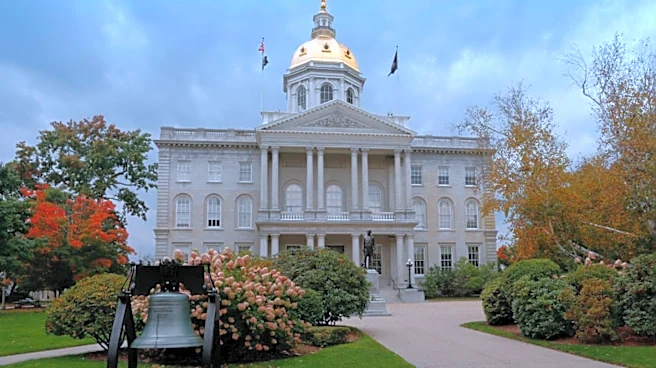
New Hampshire has been recognized as the most naturally beautiful state in the U.S., according to a new ranking compiled by Holafly. The study evaluated all 50 states based on six criteria: highest mountain elevation, total river miles, forest cover,
number of national parks, active and dormant volcanoes, and waterfalls. Despite its relatively small size, New Hampshire achieved an overall score of 90.83 out of 100, attributed to its 83 percent forest cover, 353 waterfalls, two national parks, and Mount Washington, the Northeast's highest peak at 6,288 feet. West Virginia followed in second place with a score of 78.23, noted for its extensive forests, over 6,600 miles of rivers, six national parks, and nearly 200 waterfalls. Virginia, Connecticut, and Hawaii rounded out the top five, with New England states showing a strong presence in the top 10.
Why It's Important?
This ranking highlights the diverse natural beauty across the United States, drawing attention to states that might be overlooked in favor of more commonly recognized natural wonders. For the tourism industry, particularly in New Hampshire and other top-ranking states, this recognition can serve as a significant boost, attracting more visitors interested in outdoor activities and scenic landscapes. This could lead to increased revenue for local businesses, job creation in the hospitality and outdoor recreation sectors, and potential investment in infrastructure supporting tourism. For U.S. citizens, it offers new perspectives on domestic travel destinations, encouraging exploration of lesser-known but equally stunning natural environments. The emphasis on specific natural features like waterfalls and forest cover also underscores the importance of conservation efforts and sustainable tourism practices to preserve these valuable assets.
What's Next?
Following this recognition, New Hampshire and other highly ranked states may experience an increase in tourism interest. State tourism boards and local communities are likely to leverage this ranking in their marketing campaigns to attract more visitors. This could lead to the development of new outdoor recreational facilities, enhanced trail systems, and increased demand for accommodations and services in areas known for their natural beauty. There might also be a renewed focus on environmental protection and sustainable management of natural resources to accommodate the potential influx of tourists while preserving the pristine conditions that earned them their high ranking. Other states may also review their natural assets and consider how to better promote their unique landscapes to attract tourism and economic benefits.
Beyond the Headlines
Beyond the immediate tourism benefits, this ranking subtly underscores the intrinsic value of natural landscapes and biodiversity within the U.S. It could spark broader conversations about environmental policy, land conservation, and the economic benefits derived from protecting natural spaces. The inclusion of criteria like forest cover and waterfalls highlights the importance of ecological health and water resources. This recognition might also influence urban planning and development, encouraging states to integrate green spaces and natural elements into their growth strategies. Furthermore, it could foster a greater appreciation among the public for the diverse ecosystems present across the country, potentially leading to increased participation in outdoor recreation and environmental advocacy.