
What's Happening?
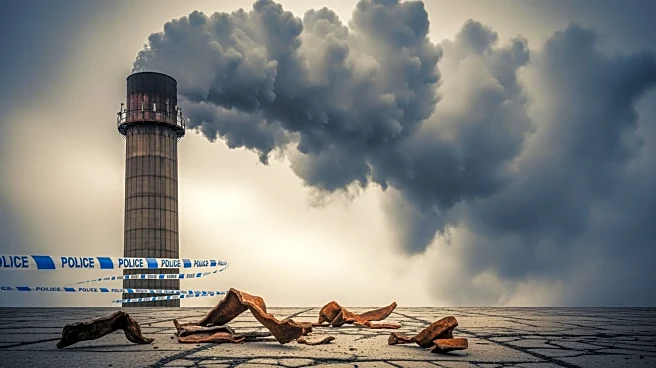
An explosion at U.S. Steel's Clairton Coke Works near Pittsburgh on August 11, 2025, resulted in the deaths of two workers and injuries to 11 others. The incident occurred while workers were handling a gas
isolation valve, leading to a release of coke oven gas that ignited. The Chemical Safety Board is investigating the explosion, which has heightened community concerns about air pollution from the plant. The Clairton Coke Works, the largest facility of its kind in the Western Hemisphere, has a history of accidents and legal battles over pollution with Allegheny County regulators. The plant's management, under Nippon Steel following a $15 billion acquisition, has been criticized for poor maintenance and safety practices.
Why It's Important?
The explosion at Clairton Coke Works underscores ongoing safety and environmental challenges in the steel industry, particularly at facilities with aging infrastructure. The incident highlights the potential risks to worker safety and community health due to industrial operations. The plant's history of pollution violations and legal disputes with local regulators reflects broader issues of environmental compliance and corporate responsibility. The situation also raises questions about the effectiveness of regulatory oversight and the need for investment in safety and pollution control measures. The outcome of the investigation and subsequent actions by U.S. Steel and Nippon Steel could have significant implications for industry standards and community relations.
What's Next?
The Chemical Safety Board's investigation into the explosion is ongoing, and its findings could lead to recommendations for safety improvements at the Clairton Coke Works. U.S. Steel has stated its commitment to maintaining the plant, but it remains unclear how much of Nippon Steel's pledged $14 billion investment will be allocated to safety and environmental upgrades. The plant's future operations and compliance with environmental regulations will be closely monitored by local authorities and community groups. Potential legal actions or regulatory changes could arise depending on the investigation's outcomes and the company's response to safety and pollution concerns.