







What's Happening?
A recent analysis highlights the significant challenges faced by individuals with post-traumatic stress disorder (PTSD) in accessing dental care. Studies, including one from Tel Aviv University, reveal that those suffering from PTSD, particularly veterans,
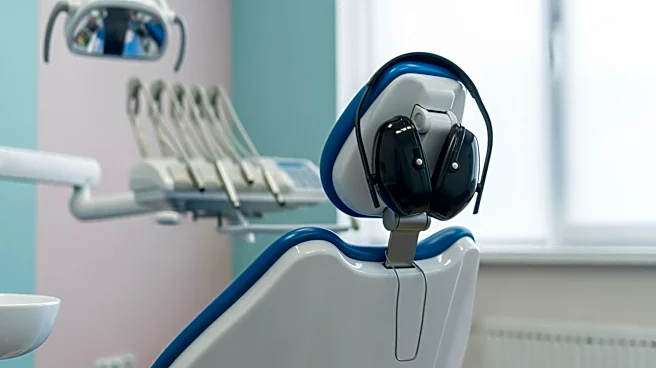
exhibit poorer oral hygiene and higher rates of gum disease compared to the general population. This is attributed to factors such as teeth grinding, jaw clenching, and higher smoking rates, which are prevalent among PTSD sufferers. The avoidance of dental care is often due to the stress and hypersensitivity to stimuli experienced during dental procedures, which can trigger flashbacks and dissociation. The clinical environment, including the smells, noises, and the perceived loss of control during treatment, exacerbates these reactions. This avoidance leads to a cycle of neglect, worsening oral health, and further mental health deterioration.
Why It's Important?
The avoidance of dental care by PTSD patients has broader implications for public health and social well-being. Poor oral health can significantly impact an individual's quality of life, affecting self-esteem and social interactions, such as job interviews. The reluctance to seek dental care until severe pain or damage occurs results in higher healthcare costs and more complex treatments. This issue underscores the need for healthcare systems to adapt and provide sensitive, trauma-informed care to this vulnerable population. Addressing these barriers is crucial for improving the overall health outcomes and quality of life for individuals with PTSD, highlighting the intersection of mental health and dental care.
What's Next?
Healthcare providers and policymakers must prioritize training for dental professionals to better accommodate patients with PTSD and other mental health conditions. This includes creating a more empathetic and understanding clinical environment, reducing sensory triggers, and involving patients in their treatment plans. Additionally, public health initiatives could focus on increasing awareness and accessibility of dental care for those with mental health challenges. By fostering a more inclusive healthcare system, the cycle of neglect and deterioration in oral health among PTSD patients can be mitigated, leading to improved health outcomes.
Beyond the Headlines
The challenges faced by PTSD patients in accessing dental care reflect broader societal issues regarding mental health stigma and the need for comprehensive healthcare approaches. The integration of mental health considerations into dental care practices could serve as a model for other areas of healthcare, promoting a more holistic approach to patient well-being. This development also calls for increased research into the specific needs of PTSD patients, potentially leading to innovations in treatment and care delivery that could benefit a wider range of individuals with mental health conditions.