


What's Happening?
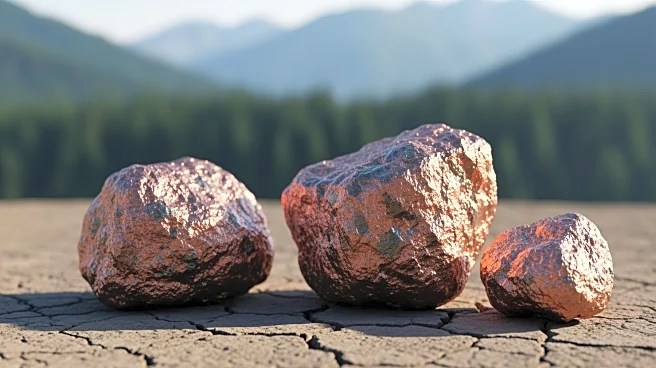
In Norway, over 70 eco-activists have blocked the entrance to the Repparfjord mining project, a controversial copper mine in the Hammerfest municipality. The protestors, including Sámi artist Ella Marie Hætta Isaksen, are opposing the Norwegian government's
decision to allow the Nussir mining company to extract copper and dump tailings into the Repparfjord, a national salmon fjord crucial for Sámi fishers. The government argues that the copper is essential for the green shift, but environmentalists claim the marine dumping will severely damage spawning grounds for coastal cod and threaten wild salmon populations. Norway is one of only four countries that permit fjord dumping, a practice criticized for its environmental impact.
Why It's Important?
The protest highlights a significant environmental and cultural conflict in Norway, reflecting broader global tensions between economic development and environmental preservation. The decision to allow fjord dumping for mining tailings is controversial, as it poses risks to marine ecosystems and the cultural heritage of the Sámi people. The outcome of this conflict could influence international environmental policies and set precedents for how countries balance industrial needs with ecological and cultural preservation. The mining project is part of a larger debate on sustainable practices and the ethical implications of resource extraction in sensitive environments.
What's Next?
The ongoing protests may lead to increased scrutiny of Norway's environmental policies and could prompt legal challenges or policy revisions. The government and Nussir may face pressure to find alternative solutions that minimize environmental impact. International environmental groups might also become involved, potentially escalating the issue to a global platform. The situation could influence future mining projects and environmental regulations in Norway and beyond, as stakeholders seek to address the complex interplay between economic growth and environmental stewardship.
Beyond the Headlines
The conflict underscores the ethical dilemma of prioritizing short-term economic gains over long-term environmental health and cultural preservation. It raises questions about the rights of indigenous communities and their role in decision-making processes affecting their lands and livelihoods. The situation also highlights the need for more sustainable mining practices and the potential for innovation in reducing environmental impacts. As the world shifts towards greener technologies, the demand for minerals like copper will increase, necessitating a reevaluation of extraction methods and their consequences.