





What's Happening?
James Charles Vinci, 60, of New Port Richey, Florida, has been arrested and charged with felony scheme to defraud and retail theft. Authorities allege Vinci conducted 10 fraudulent merchandise returns at four different Home Depot locations across Pinellas
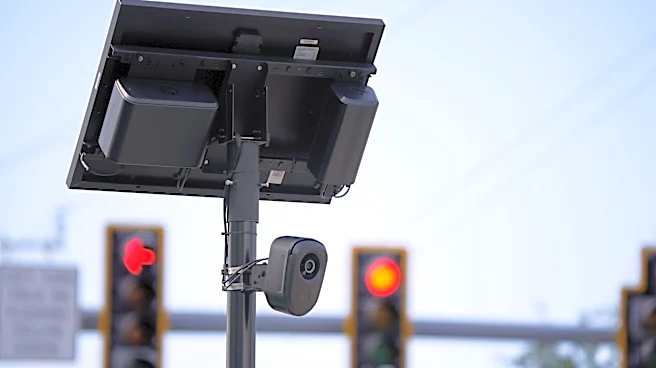
County, accumulating approximately $1,683.18 in store credit. According to arrest affidavits, Vinci used receipts that did not belong to him to return merchandise he had allegedly selected from stores without purchasing. Surveillance footage reportedly captured Vinci entering Home Depot stores empty-handed and subsequently appearing with carts full of merchandise that he then returned for store credit. Investigators identified Vinci through his vehicle and Florida driver's license, which he used during some of the transactions. FLOCK license plate reader technology also assisted in tracking and identifying Vinci's vehicle.
Why It's Important?
This case highlights the ongoing challenge of retail fraud, specifically return fraud, which costs retailers billions of dollars annually. Such schemes contribute to higher operational costs for businesses, which can ultimately lead to increased prices for consumers. The use of surveillance footage and license plate reader technology in identifying and apprehending suspects demonstrates the evolving methods law enforcement employs to combat organized retail crime. For Home Depot and other large retailers, these incidents underscore the need for robust security measures and return policy enforcement to mitigate financial losses. The charges against Vinci serve as a deterrent to others who might consider engaging in similar fraudulent activities, emphasizing the legal consequences of such actions.
What's Next?
James Charles Vinci is facing felony charges for scheme to defraud and retail theft. The legal process will involve court proceedings where he will have the opportunity to enter a plea and present his defense. If convicted, Vinci could face penalties ranging from fines to imprisonment, depending on the severity of the charges and Florida's sentencing guidelines for such offenses. Retailers like Home Depot may continue to review and strengthen their return policies and security protocols to prevent future fraudulent activities. Law enforcement agencies are likely to continue utilizing advanced surveillance and tracking technologies to identify and prosecute individuals involved in retail crime, potentially leading to more arrests in similar cases.
Beyond the Headlines
The prevalence of return fraud, as exemplified by this case, points to a broader issue of consumer ethics and the vulnerabilities within retail systems. While individual incidents like Vinci's may seem minor, the cumulative effect of such fraud significantly impacts the retail industry's profitability and efficiency. This type of crime also raises questions about the balance between customer convenience in returns and the need for stringent verification processes to prevent abuse. The reliance on technology, such as license plate readers, for law enforcement purposes also sparks discussions about privacy and data collection, even as it proves effective in combating crime. Addressing these issues requires a multi-faceted approach involving technological solutions, policy adjustments, and public awareness campaigns about the consequences of retail theft.