


What's Happening?
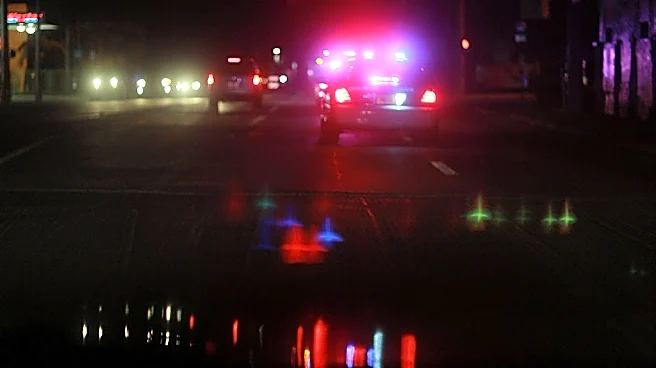
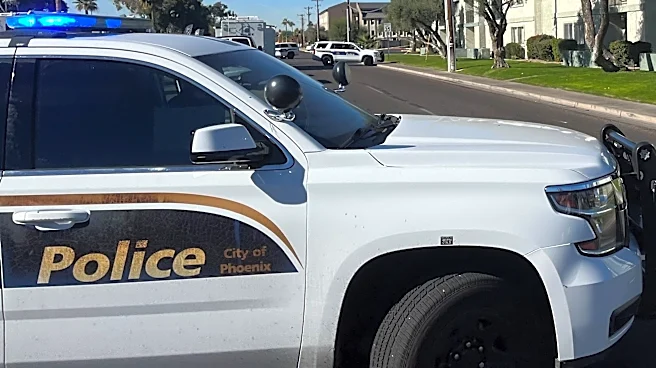
The Phoenix Police Department has launched a criminal investigation into two of its officers. The investigation stems from a traffic stop where the officers reportedly failed to document the use of force and did not activate their body cameras. This internal
inquiry began after Tempe Police referred a case to Phoenix authorities. Tempe Police had initially responded to a call about a disabled vehicle, during which two individuals reported being assaulted by suspects impersonating police officers. Due to the alleged location of the incident, the case was forwarded to Phoenix, leading to the criminal investigation of the two Phoenix officers. While the Phoenix Police Department has confirmed the investigation and stated that the officers have been placed on leave, they have not publicly identified them. Multiple sources indicate that the officers are assigned to the South Mountain Precinct. ABC15, which first reported on the story, noted that sources suggest the situation's severity and the nature of the allegations are more serious than initially conveyed by the department's public statement.
Why It's Important?
This investigation is significant as it raises serious questions about police conduct, accountability, and transparency within the Phoenix Police Department. The allegations of failure to document use of force and not activating body cameras directly challenge established protocols designed to ensure officer accountability and protect civil liberties. Such incidents can erode public trust in law enforcement, particularly when there are claims that the department's public statements may not fully reflect the gravity of the situation. For the community, especially in the South Mountain Precinct where the officers reportedly work, these allegations can heighten concerns about police oversight and the potential for abuse of power. The outcome of this investigation could lead to policy changes, disciplinary actions, or even criminal charges, impacting the careers of the officers involved and potentially influencing future police training and conduct standards across the department. It also underscores the critical role of body cameras in providing objective evidence during police encounters.
What's Next?
The Phoenix Police Department's criminal investigation into the two officers is ongoing. The department will likely continue to gather evidence, interview witnesses, and review any available footage or documentation related to the traffic stop. The officers involved remain on leave pending the outcome of this investigation. Depending on the findings, potential next steps could include internal disciplinary actions, such as suspension or termination, or the referral of the case to prosecutors for criminal charges. The public and media, particularly ABC15, will likely continue to monitor the situation closely, seeking more specific details about the allegations and the progress of the investigation. This incident may also prompt a review of existing policies regarding body camera usage and use-of-force documentation within the Phoenix Police Department to prevent similar occurrences in the future and reinforce public confidence.
Beyond the Headlines
Beyond the immediate criminal investigation, this incident touches upon broader issues concerning police legitimacy and the challenges of maintaining public trust. The allegation that individuals were assaulted by suspects 'posing as police officers' before the involvement of actual officers adds a complex layer, highlighting the vulnerability of the public to impersonation and the critical need for clear identification and accountability from legitimate law enforcement. The reported failure to activate body cameras and document use of force, if proven, could indicate systemic issues within the department regarding adherence to protocols or a lack of sufficient oversight. This case could serve as a catalyst for a deeper examination of police training, internal review processes, and the effectiveness of current accountability mechanisms in Phoenix. It also underscores the ongoing national dialogue about police reform and the balance between officer discretion and public safety, potentially influencing community-police relations and advocacy for greater transparency.