


What's Happening?
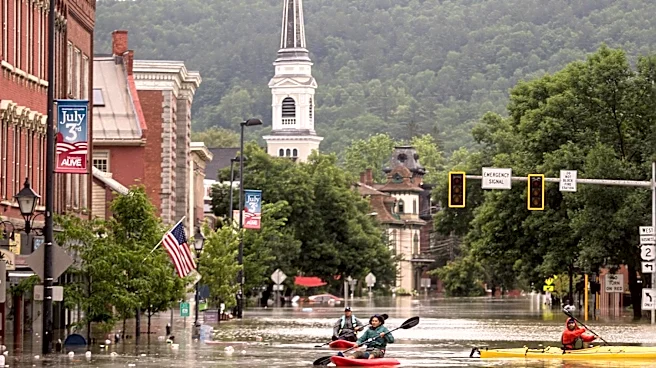
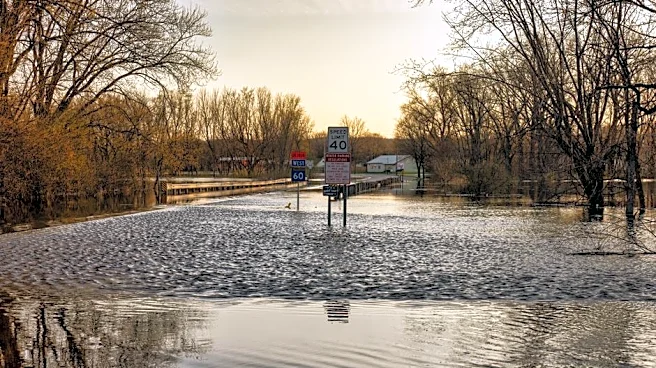
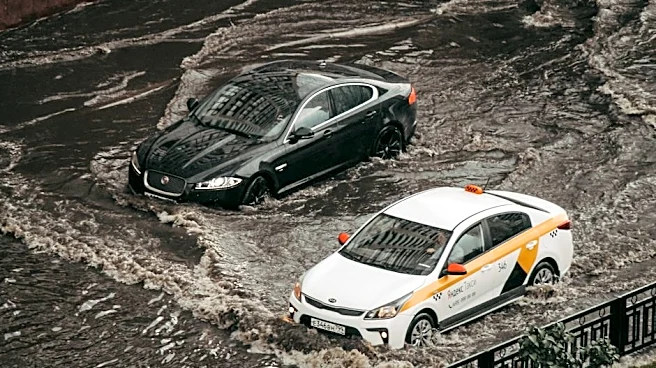
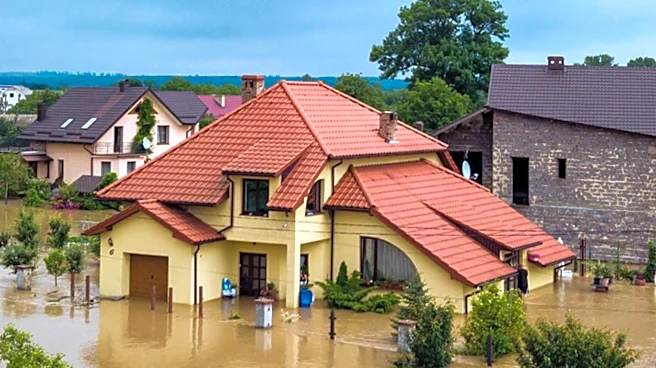
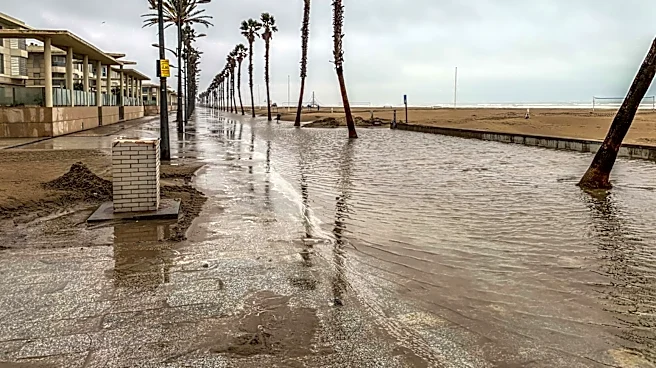
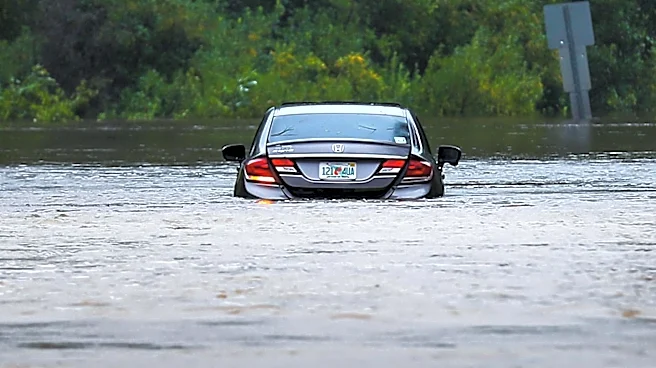
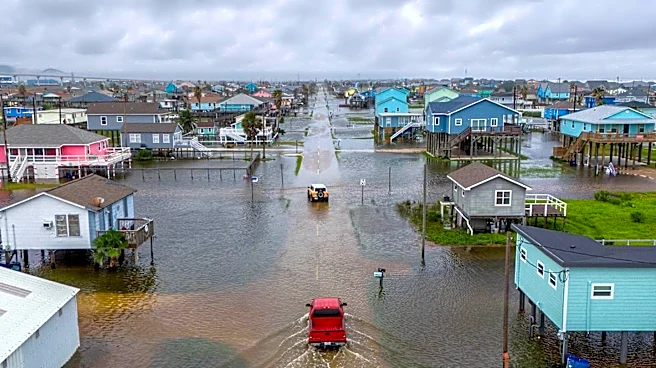
West Virginia is currently in a 'search and rescue' phase following severe storms that brought 5 to 6 inches of rainfall, resulting in flash flooding, landslides, and road closures. Governor Patrick Morrisey declared a state of emergency for all 55 counties
in the state. The hardest-hit areas include Upshur, Lewis, and Pleasants counties. The flooding has left parts of the city of Weston under several feet of water, and communication has been disrupted due to damaged infrastructure. More than 85 water rescues have been reported, and the West Virginia National Guard has been deployed to assist with the response.
Why It's Important?
The flooding in West Virginia highlights the increasing frequency and severity of weather-related disasters, which can have significant impacts on local communities and economies. The state's infrastructure, including roads and communication systems, has been severely affected, complicating rescue and recovery efforts. The situation underscores the need for robust emergency preparedness and response strategies to protect human life and minimize damage. The ongoing climate change discussions are likely to focus on such events, emphasizing the need for sustainable solutions to mitigate future risks.
What's Next?
As the immediate threat of severe weather subsides, efforts will shift from search and rescue to recovery and rebuilding. Authorities will focus on clearing debris, restoring power, and repairing infrastructure. The state and local agencies will remain on the ground to support affected communities. The event may prompt discussions on improving infrastructure resilience and emergency response capabilities to better handle future disasters.