







What's Happening?
Two additional locally acquired cases of dengue fever have been confirmed in Orange County, Florida, bringing the total to five cases within the county. According to the Florida Department of Health, both new cases are located in the Apopka area, where
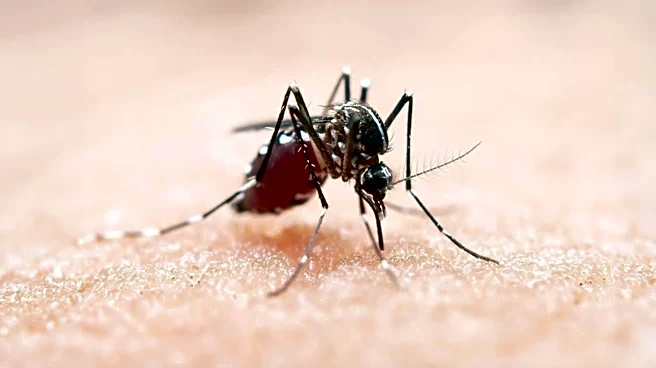
two previous cases were also reported. Another case was identified in Pine Hills. Orange County Mosquito Control officials believe that dengue fever is actively spreading in the Apopka region. In response to this escalating situation, the county is preparing to implement aerial spraying measures, supplementing the ongoing ground-level efforts to control mosquito populations and prevent further transmission of the virus.
Why It's Important?
The emergence and spread of locally acquired dengue fever cases in the Orlando area represent a significant public health concern for the U.S. This situation highlights the vulnerability of certain regions to mosquito-borne diseases, especially in areas with suitable climates for mosquito breeding. The need for aerial spraying indicates a heightened level of concern and the potential for a broader outbreak if not contained effectively. This development can impact local tourism, a major economic driver for the Orlando area, as public health advisories and concerns about mosquito-borne illnesses could deter visitors. Furthermore, it places a strain on local healthcare resources and public health agencies, requiring rapid response and sustained efforts to monitor, control, and educate the public about prevention. The situation underscores the importance of robust public health infrastructure and proactive mosquito control programs.
What's Next?
Orange County Mosquito Control will proceed with aerial spraying in the affected areas of Apopka to reduce the mosquito population and curb the spread of dengue fever. The Florida Department of Health will likely continue to monitor new case reports closely, conduct surveillance, and issue public health advisories. Residents in Orange County, particularly in Apopka and Pine Hills, will be encouraged to take personal protective measures against mosquito bites, such as using repellents and eliminating standing water. Further public awareness campaigns may be launched to educate the community on dengue symptoms and prevention. Depending on the effectiveness of these measures, additional interventions or expanded control efforts may be considered to prevent the disease from becoming endemic in the region.
Beyond the Headlines
The localized outbreak of dengue fever in Florida points to broader implications concerning climate change and global travel patterns. Warmer temperatures and increased rainfall can expand the geographical range and breeding seasons of Aedes aegypti mosquitoes, the primary vectors for dengue. International travel also facilitates the introduction of the virus into new areas. This situation serves as a stark reminder of the interconnectedness of global health and local environmental conditions. It also raises questions about the long-term strategies needed to manage and prevent tropical diseases in subtropical U.S. regions. The incident could spur increased investment in vector control research, early detection systems, and public health preparedness for emerging and re-emerging infectious diseases, emphasizing the need for a comprehensive approach to public health security.